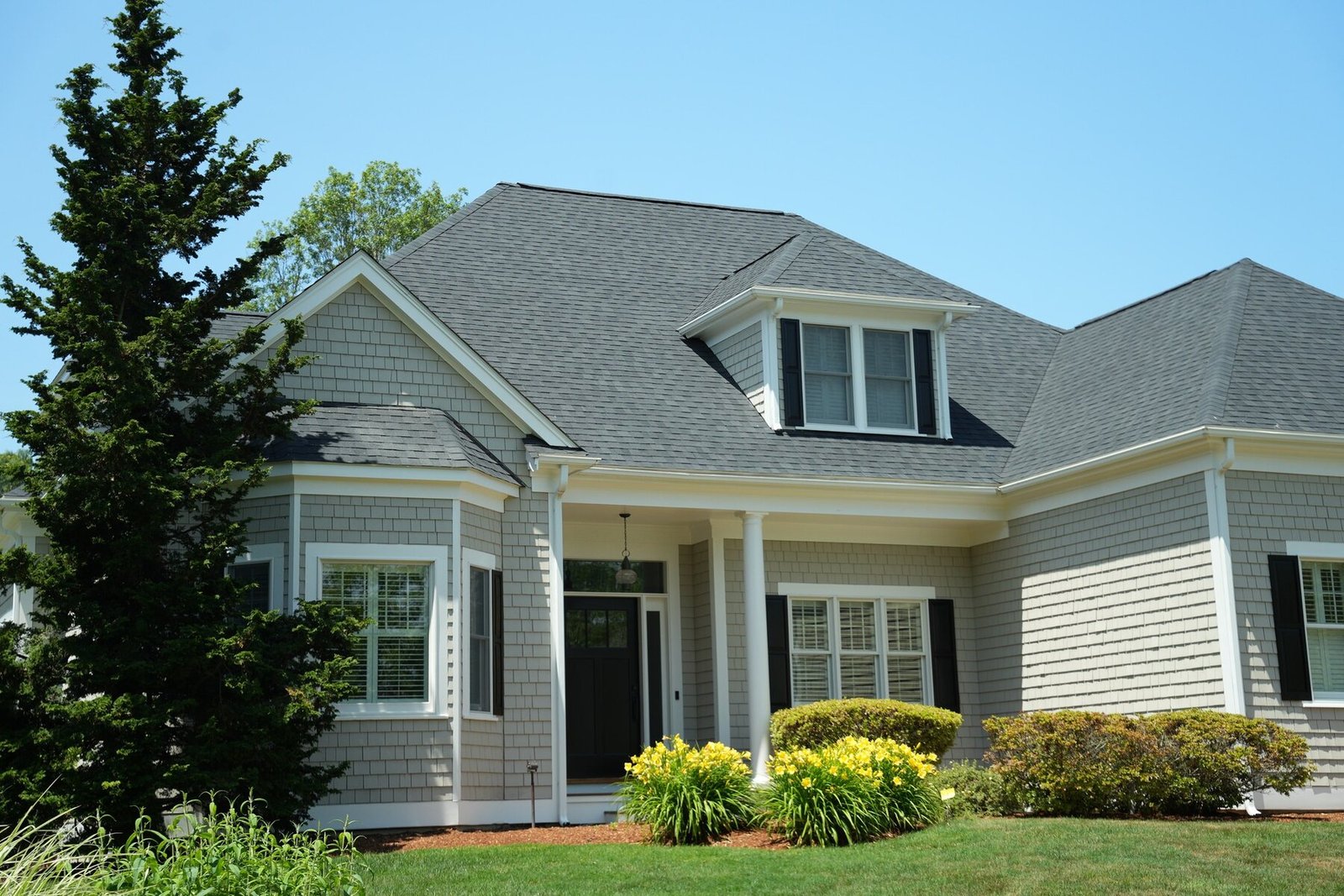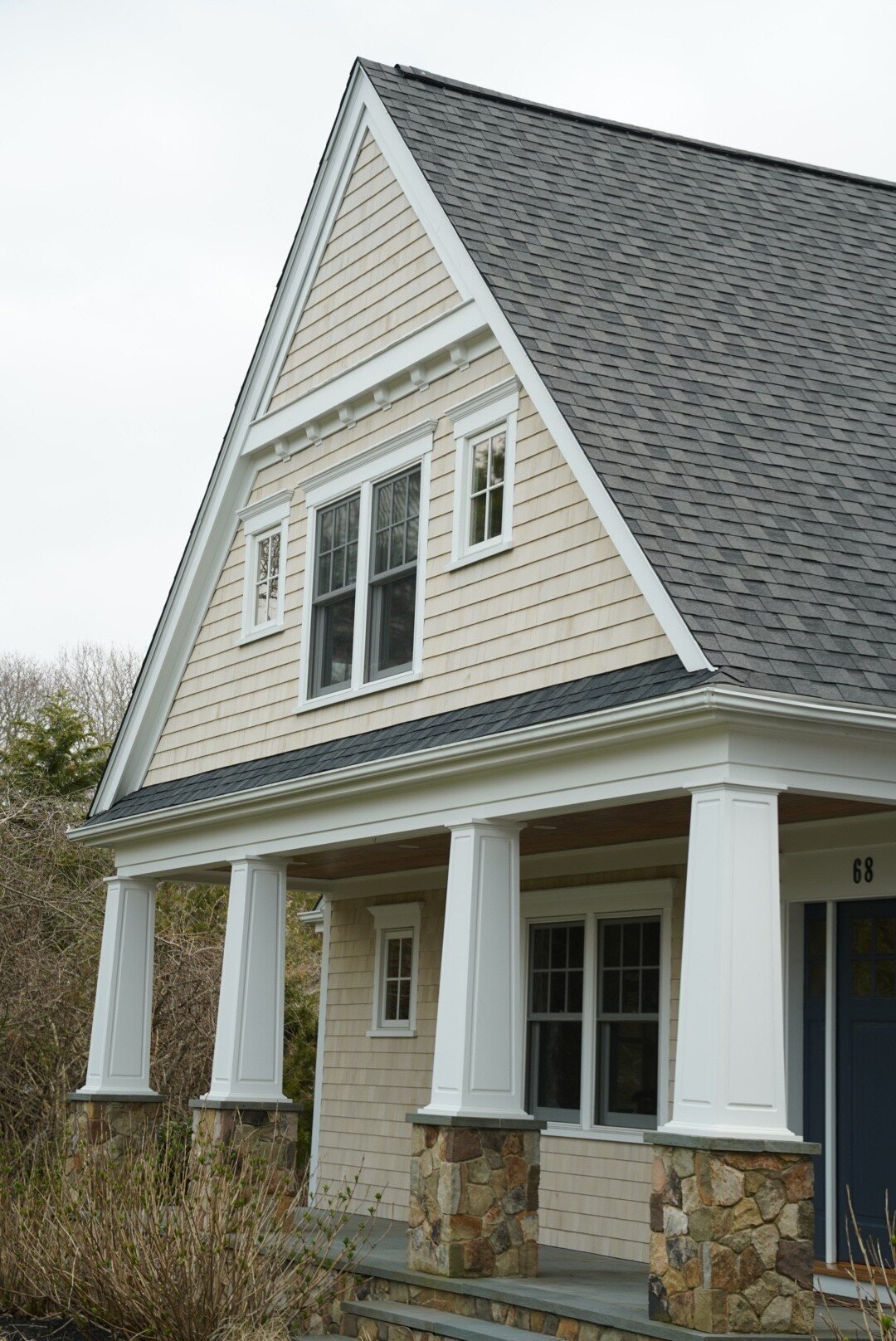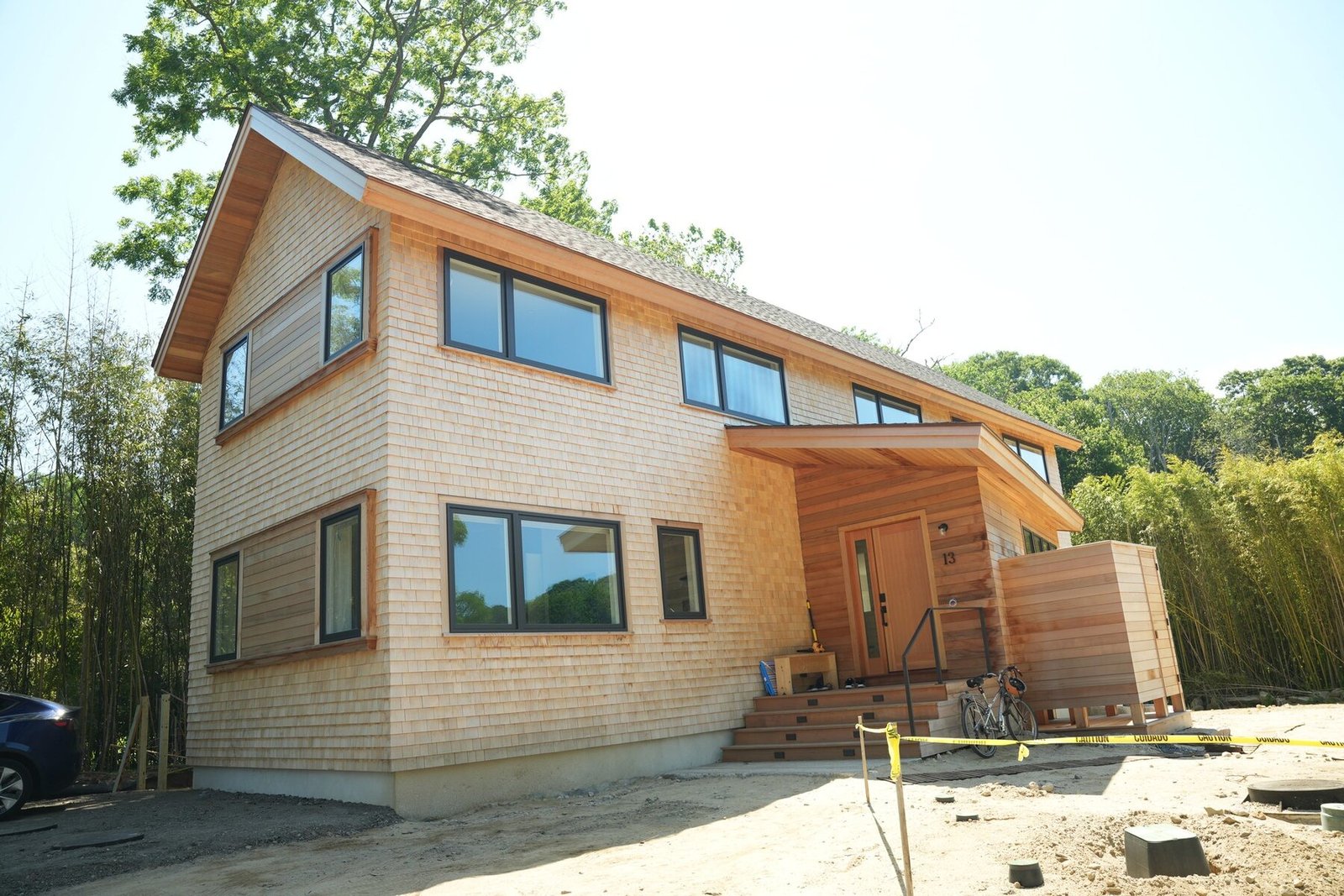
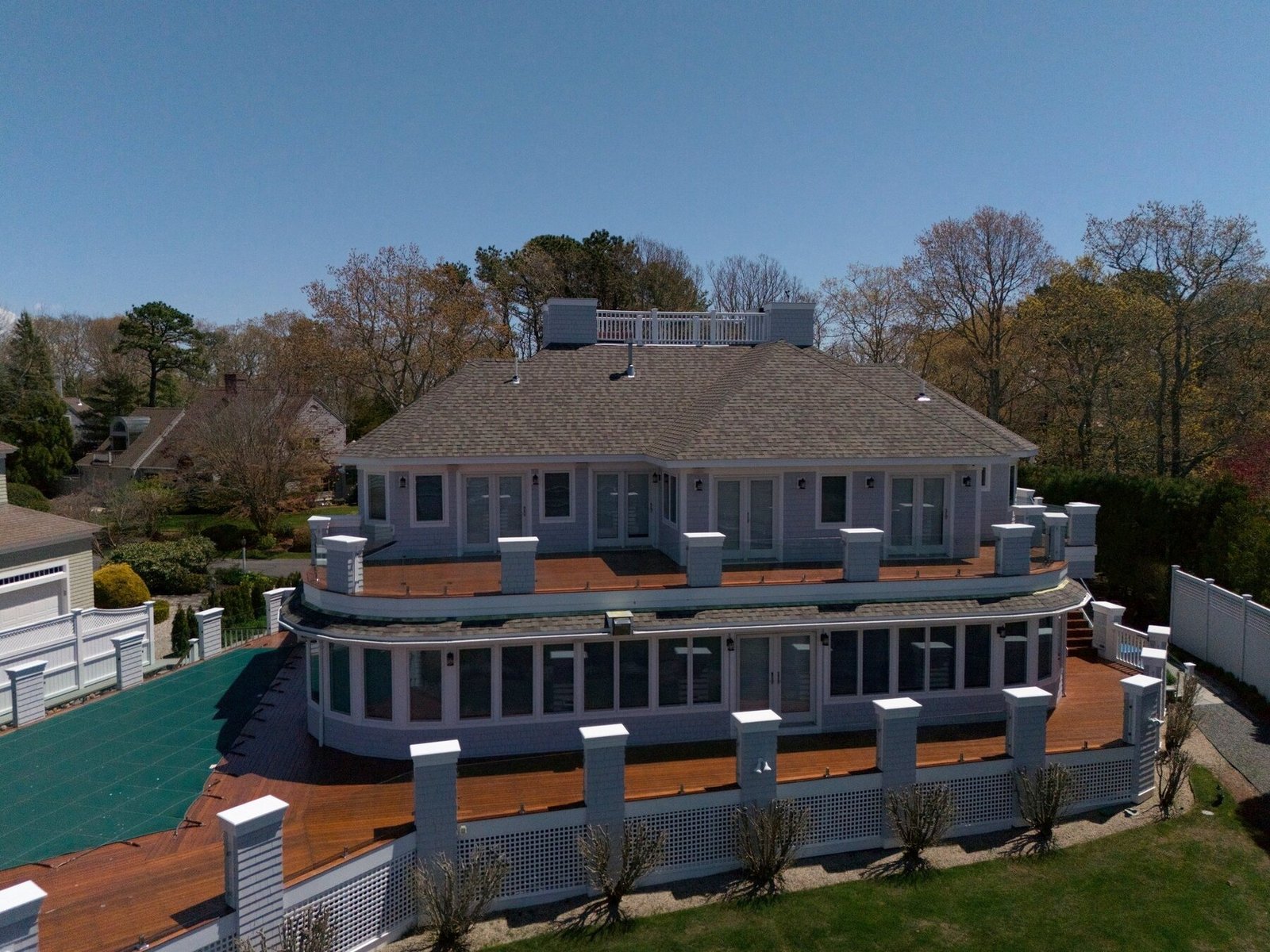
On Cape Cod a deck, addition or even a shed near the water usually needs a Conservation Commission filing. Here is what triggers review and where local rules go beyond state law.
By the Best Deal Home Group team, Centerville, MA
If you plan work within 100 feet of a wetland, beach, dune, coastal bank, salt marsh or pond on Cape Cod, you will almost certainly need approval from the town's Conservation Commission before a building permit is issued. That is the baseline under the Massachusetts Wetlands Protection Act, and every Cape town adds its own wetlands bylaw on top of it. Several go further than the state.
What the Conservation Commission reviews
The commission protects resource areas and the land around them. On Cape Cod that usually means:
- Beaches, dunes, coastal banks and barrier beaches
- Salt marshes, tidal flats and land subject to coastal storm flowage, the 100 year flood plain
- Freshwater wetlands, ponds, vernal pools and streams
- The buffer zone around all of these, 100 feet under state law, and 200 feet along rivers and perennial streams
Building, grading, clearing vegetation, and in many towns even sheds, fences and decks inside those areas need a filing. In Wellfleet, cutting trees or vegetation counts as alteration. Small projects can sometimes go through an administrative review instead of a full hearing.
Towns with stricter local rules
- Mashpee: after a 2023 Town Meeting vote, the buffer is 150 feet and the natural vegetated strip 75 feet, the widest on the Cape. Mashpee.
- Barnstable: the ordinance requires permission within 100 feet, and the regulations keep a 50 foot undisturbed buffer. Barnstable.
- Chatham: resource areas run 100 feet from wetlands, banks, beaches, dunes and flats and 200 feet from perennial streams, and the floodplain rules restrict new structures and footprint expansions in V and Coastal A flood zones. Chatham.
- Truro: the regulations call for a 50 foot strip of undisturbed vegetation between the resource area and the work. Truro.
- Eastham: the bylaw covers 100 feet from banks, wetlands, beaches, dunes, ponds, flood zones and Areas of Critical Environmental Concern, and 200 feet of riverfront. Eastham.
- Orleans: prior approval is required for any work within the 100 foot buffer, including sheds, fences and decks. Orleans is about 72 percent of the Pleasant Bay ACEC. Orleans.
- Provincetown: the wetlands bylaw is stricter than state law and covers ponds of any size, flats and mapped habitat as well as the usual resource areas. Provincetown.
Flood zones
Much of the Cape shoreline is mapped as FEMA flood zone, either VE (velocity, wave action) or AE. In those zones the building code sets elevation and construction requirements for new work and for substantial improvements, and some towns, like Chatham, limit footprint expansions outright. Replacing a roof, siding or windows within the existing footprint is usually still possible, while additions and new decks need a closer look.
How we plan a waterfront project
Before design starts, we check the flood zone and resource areas for the lot, decide whether the work needs a Notice of Intent, a Request for Determination or an administrative review, and plan the schedule around the commission's hearing dates. Erosion control, staging away from the resource area and protecting existing vegetation are part of the job, not an afterthought.
Frequently asked questions
Do I need Conservation Commission approval to replace a deck near the water on Cape Cod?
Usually, yes, if the deck is within 100 feet of a wetland, beach, dune, coastal bank or salt marsh. Some towns, like Orleans, explicitly include decks, sheds and fences in the buffer zone, and Mashpee's buffer is 150 feet. A replacement in the same footprint is often reviewed more simply than a new or larger deck.
What is the wetland buffer zone in Massachusetts?
Under the state Wetlands Protection Act the buffer zone is 100 feet from most wetland resource areas, and the riverfront area extends 200 feet from rivers and perennial streams. Cape Cod towns can and often do add stricter local rules.
Can I expand my house in a flood zone on Cape Cod?
It depends on the town and the zone. The building code sets elevation requirements for substantial improvements in flood zones, and Chatham restricts footprint expansions in V and Coastal A zones. We check the flood map and local rules for the lot before designing an addition.
Related services
Free Estimates
Ready to Get Started?
We come out, take a look, and give you a straight quote. No pressure, no obligation.
Keep reading