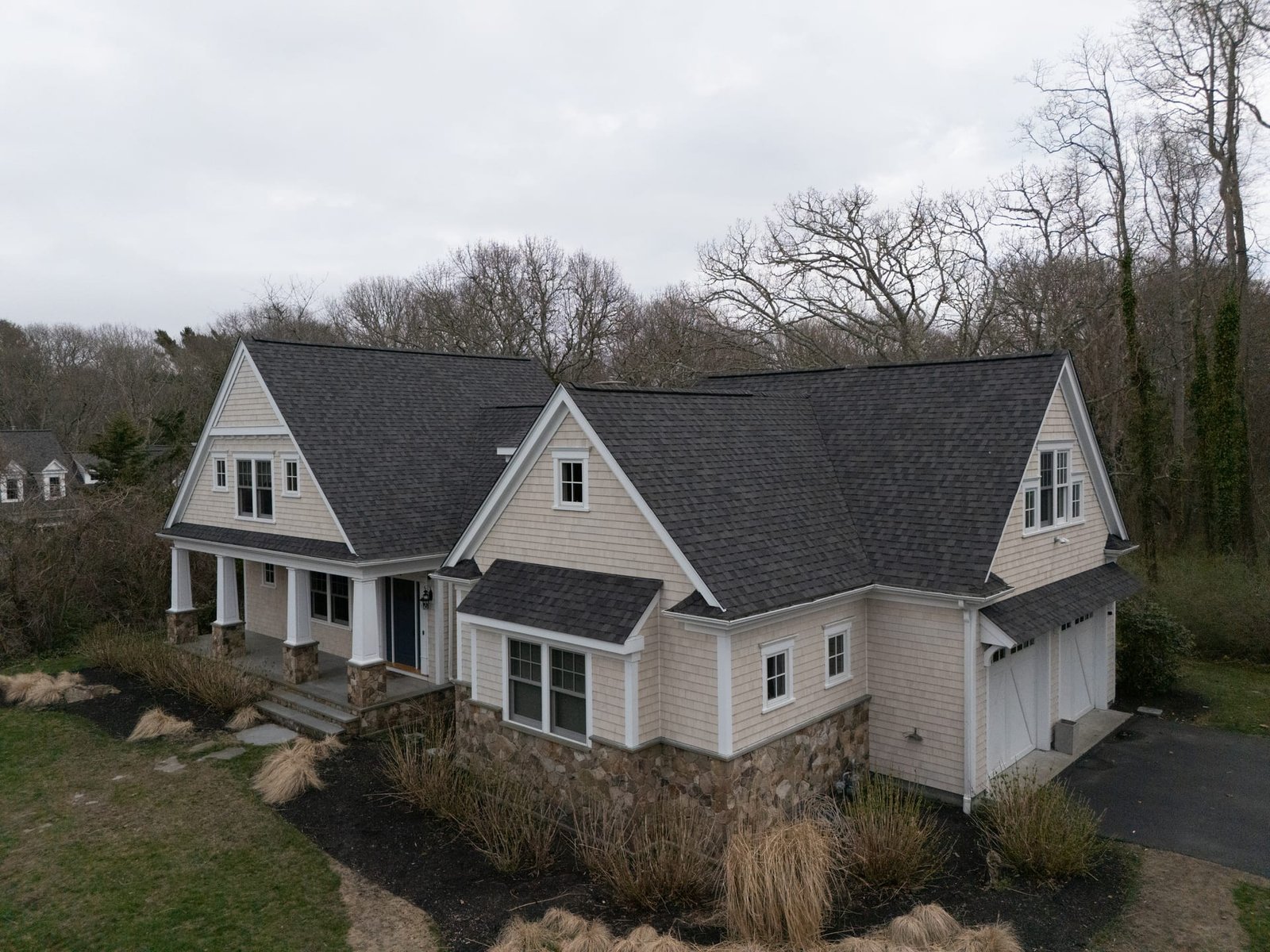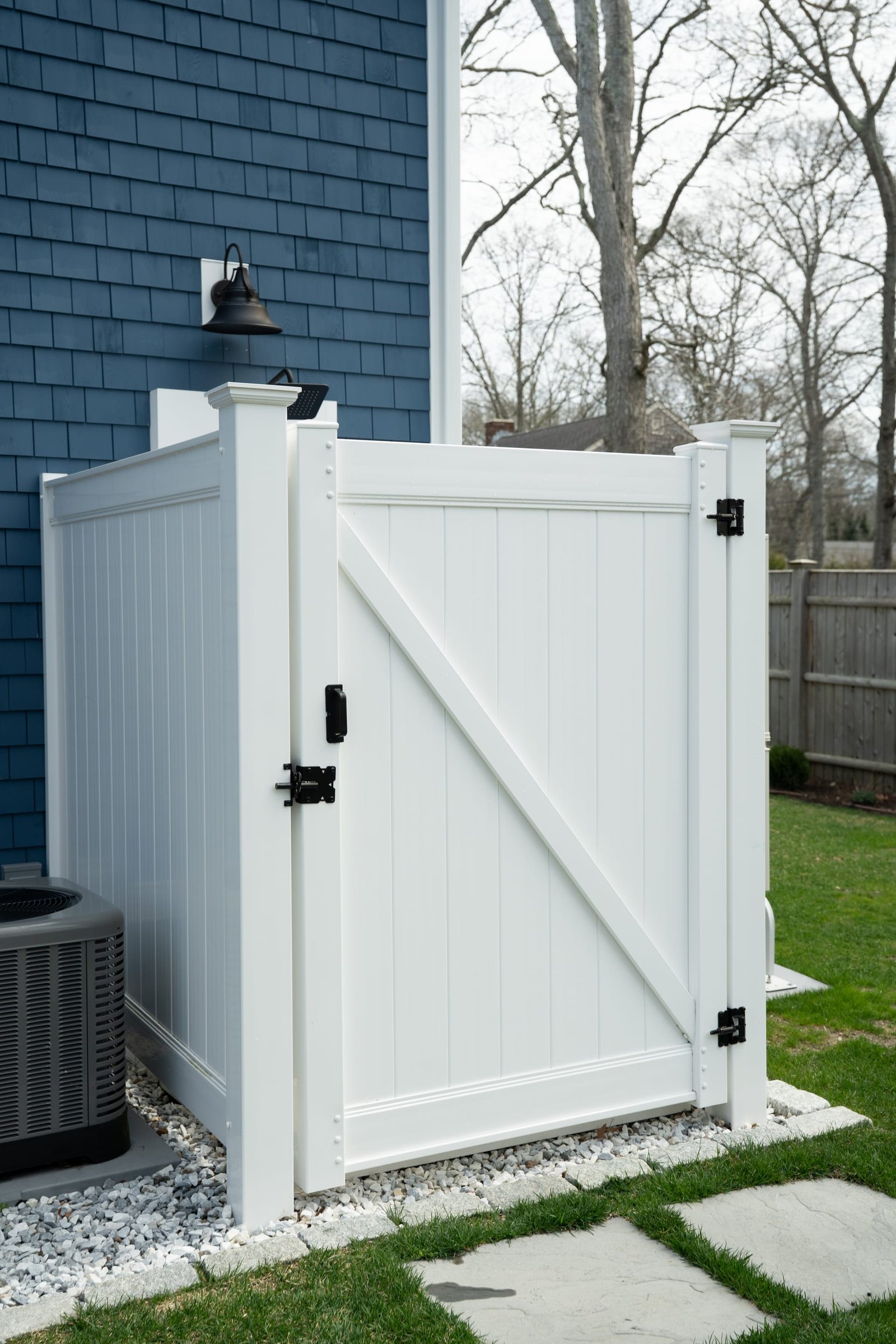
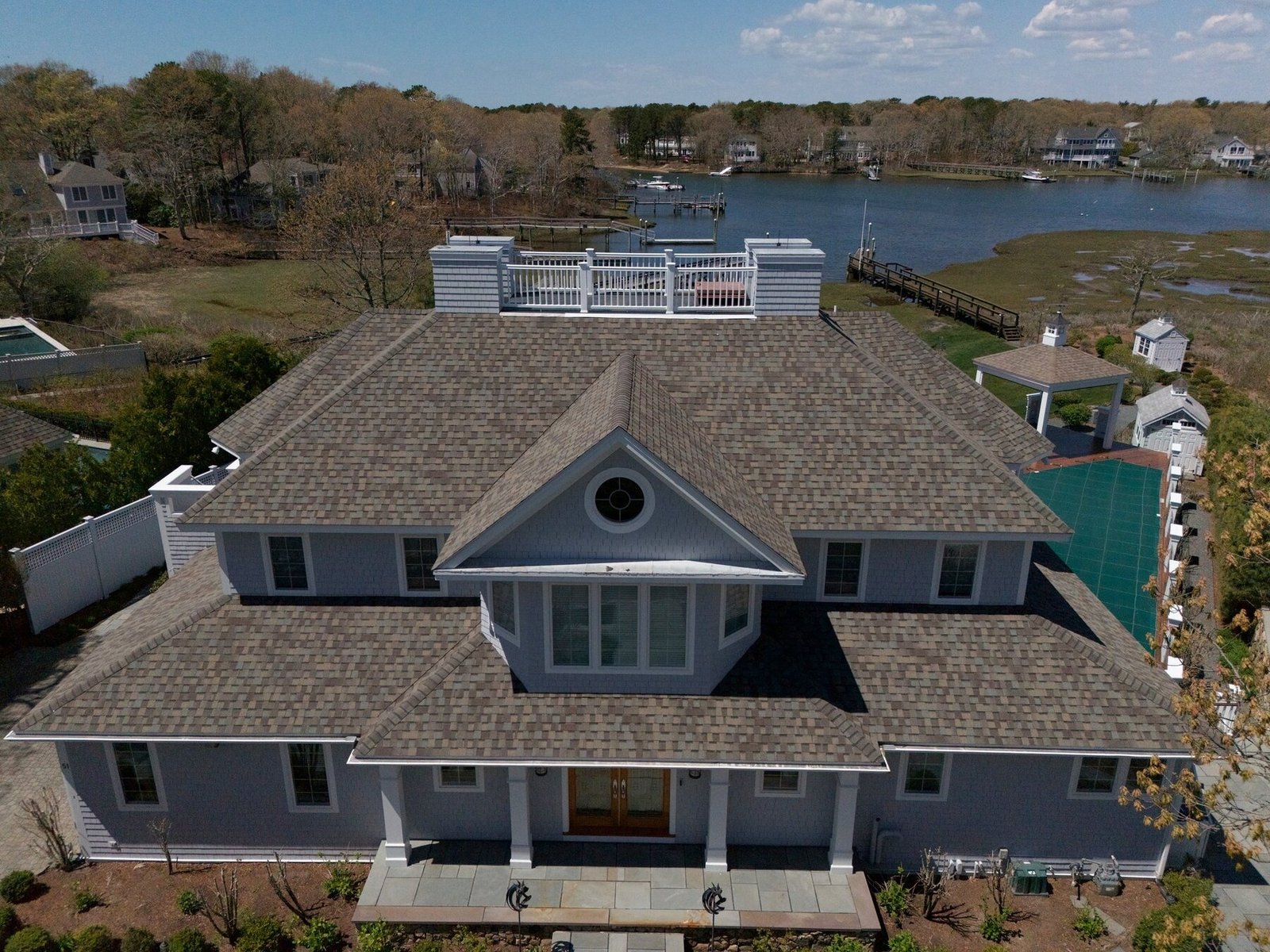
Cape Cod sits right in the path of fall hurricanes and winter nor'easters, and most storm damage starts at a weak spot that was already there. Here is what to check before the storm, how to document your house, and what to do once it passes.
By the Best Deal Home Group team, Centerville, MA
To prepare a Cape Cod home for nor'easters and hurricane season, fix the weak spots before the storm: secure loose shingles and flashing, clean the gutters, repair siding and trim, check windows and doors, tie down or store anything on the deck, and take care of dead limbs over the house. Then photograph the whole house for insurance, and have a plan for what you will check once the storm has passed.
Atlantic hurricane season runs from June through November, and nor'easters can hit the Cape any time from fall into spring. Both bring the same things: high wind, driving rain that blows sideways, and on the coast, storm surge. Wind and water find the weak spots. The goal is to make sure there are as few of them as possible.
Start With the Roof
The roof takes the hardest hit in a wind storm, and the damage usually starts at the edges and the openings.
- Loose, lifted or missing shingles. Wind gets under a lifted shingle and peels the next row with it. From the ground, with binoculars, look for shingles that are curled, cracked, or a different shade where one has slipped.
- Flashing. Check around chimneys, skylights, vent pipes and where the roof meets a wall. Flashing that is bent, loose or caulked over in layers is a common leak point in wind-driven rain.
- Roof edges and ridge. The eaves, rakes and ridge see the highest wind pressure. Loose drip edge or ridge cap is worth fixing before the season.
If your roof is near the end of its life, a storm is often what finishes it off. Our post on the signs your roof needs attention covers what to look for. Do not climb on the roof yourself; a contractor can inspect it safely.
Gutters, Siding and Trim
Gutters and Downspouts
Clogged gutters overflow in heavy rain, sending water down the siding, behind trim, and into the basement. In winter storms, they also contribute to ice dams. Before the fall storm season:
- Clean out leaves and pine needles.
- Make sure gutters are firmly attached and pitched toward the downspouts.
- Confirm downspouts discharge well away from the foundation.
Siding and Trim
Wind-driven rain pushes water into any gap in the siding or trim.
- Loose or cracked siding. Loose shingles, clapboards or vinyl panels can be torn off in high wind, exposing the wall behind them.
- Rotted trim. Soft corner boards, window casings and fascia let water into the wall framing. Probe suspicious spots with a screwdriver.
- Caulking. Check joints around windows, doors and penetrations. Cracked caulk is an easy fix before the storm and a big problem after it.
Windows and Doors
Most windows and doors that are in good shape and properly installed hold up fine in a typical storm. The problems come from worn weatherstripping, failed caulking, and old units that no longer close tightly.
- Replace worn weatherstripping and check that windows lock fully.
- Storm doors add a layer of protection to exposed entry doors, especially on the ocean side of the house.
- For houses right on the water or in very exposed spots, impact-rated windows and doors are worth considering when it comes time to replace them. They are designed to resist windborne debris.
- If you have shutters or plywood panels for coastal exposure, have them cut, labeled and ready before a storm is forecast, not the day of.
Secure the Deck, Yard and Trees
The Deck and Yard
Anything that is not tied down becomes a projectile in hurricane-force wind.
- Bring in or tie down patio furniture, umbrellas, grills, planters and kayaks.
- Lower and store umbrellas and remove fabric shade structures.
- Look at the deck itself. Loose railings, wobbly stairs and a ledger board that shows rot or rust at the fasteners all deserve attention. A deck in poor shape is more likely to be damaged, and it is a safety risk afterward.
Trees
Falling trees and large limbs cause a lot of serious storm damage on the Cape, where many houses sit among mature oaks and pines.
- Have dead or hanging limbs over the house, driveway and power lines removed by a tree service.
- Watch for trees that lean toward the house or show signs of rot at the base.
- Keep branches trimmed back from the roof so they do not scrape shingles in the wind.
Power, Sump and Basics
Keep this part simple and safe:
- If you have a sump pump, test it before the season. A battery backup helps when the power goes out in the middle of the heavy rain.
- If you use a portable generator, run it outside only, well away from windows, doors and vents, never in the garage or basement. Connecting a generator to your house wiring should be done by a licensed electrician with a proper transfer switch.
- Keep flashlights, batteries and a charged phone handy, and know where your main water shutoff and electrical panel are.
Document Your House Before the Storm
This step takes 20 minutes and can make an insurance claim much easier. Before the season, or when a storm is forecast:
- Take photos and a slow video of every side of the house, the roof as seen from the ground, the deck, fences, and outbuildings.
- Photograph the interior, including the basement and attic.
- Save the files somewhere off the phone, like cloud storage or email.
Having clear "before" photos makes it much easier to show what the storm did.
After the Storm: A Checklist
Once it is safe to go outside:
- Stay clear of downed lines and anything they are touching. Call the utility.
- Walk the outside from the ground. Look for missing shingles, siding blown off, damaged gutters, broken windows, and fallen limbs on the roof.
- Check the attic and ceilings for water stains or drips, and the basement for water.
- Photograph all damage before cleaning up, then contact your insurance company.
- Prevent further damage. Most insurance policies expect you to take reasonable steps to keep damage from getting worse. A professional temporary tarp over a damaged section of roof keeps rain out until a permanent repair can be made. Keep receipts for any emergency work.
Watch Out for Storm Chasers
After a big storm, out-of-town crews often show up knocking on doors, offering to start right away for a large cash deposit. Some do decent work. Many do not, and they are gone by the time problems show up.
Before you hire anyone, check that they hold a Massachusetts Home Improvement Contractor registration, get a written contract, and keep the deposit to the legal limit. Our guide on how to hire a contractor in Massachusetts walks through the checks.
At Best Deal Home Group, we work on roofs, siding, windows and decks across Barnstable County, before and after storm season. If you want your house looked over, see our roofing services or contact us for a free estimate.
Frequently asked questions
When should I prepare my Cape Cod home for storm season?
Late summer is a good time, before the busiest part of hurricane season and before fall nor'easters begin. Schedule roof, gutter and siding repairs early, since contractors get booked up once a storm is in the forecast. Take care of trees and document your house with photos ahead of time, so the only thing left to do when a storm is announced is secure loose items outside.
Should I tape my windows before a hurricane?
No. Taping windows does not keep glass from breaking and can create larger, more dangerous shards. If your house is exposed to the water or high wind, use properly fitted storm shutters or precut plywood panels, or consider impact-rated windows when you replace them. For most homes, windows in good condition with sound caulking and weatherstripping are the main defense against wind-driven rain.
What should I do if my roof is damaged in a storm?
Stay off the roof. From the ground, photograph the damage and check the attic and ceilings for leaks. Contact your insurance company, then have a contractor install a temporary tarp over the damaged area to keep rain out. Keep receipts for emergency work. Once the insurer has reviewed the claim, a permanent repair or replacement can be scheduled.
How do I avoid storm chaser contractors?
Be cautious with crews who knock on doors after a storm, want a large cash deposit, or push you to sign immediately. In Massachusetts, check the contractor's Home Improvement Contractor registration on the state's website, require a written contract, and keep the deposit within the legal limit of one third of the price. Prefer local contractors with references and work you can see nearby.
Do I need a generator for storm season on Cape Cod?
Many Cape homeowners use one, since storms can knock out power for days. A portable generator must run outdoors, away from windows, doors and vents, never inside a garage or basement. Connecting a generator to the house wiring requires a licensed electrician and a proper transfer switch. A standby generator is another option, also installed by licensed trades.
Related services
Free Estimates
Ready to Get Started?
We come out, take a look, and give you a straight quote. No pressure, no obligation.
Keep reading