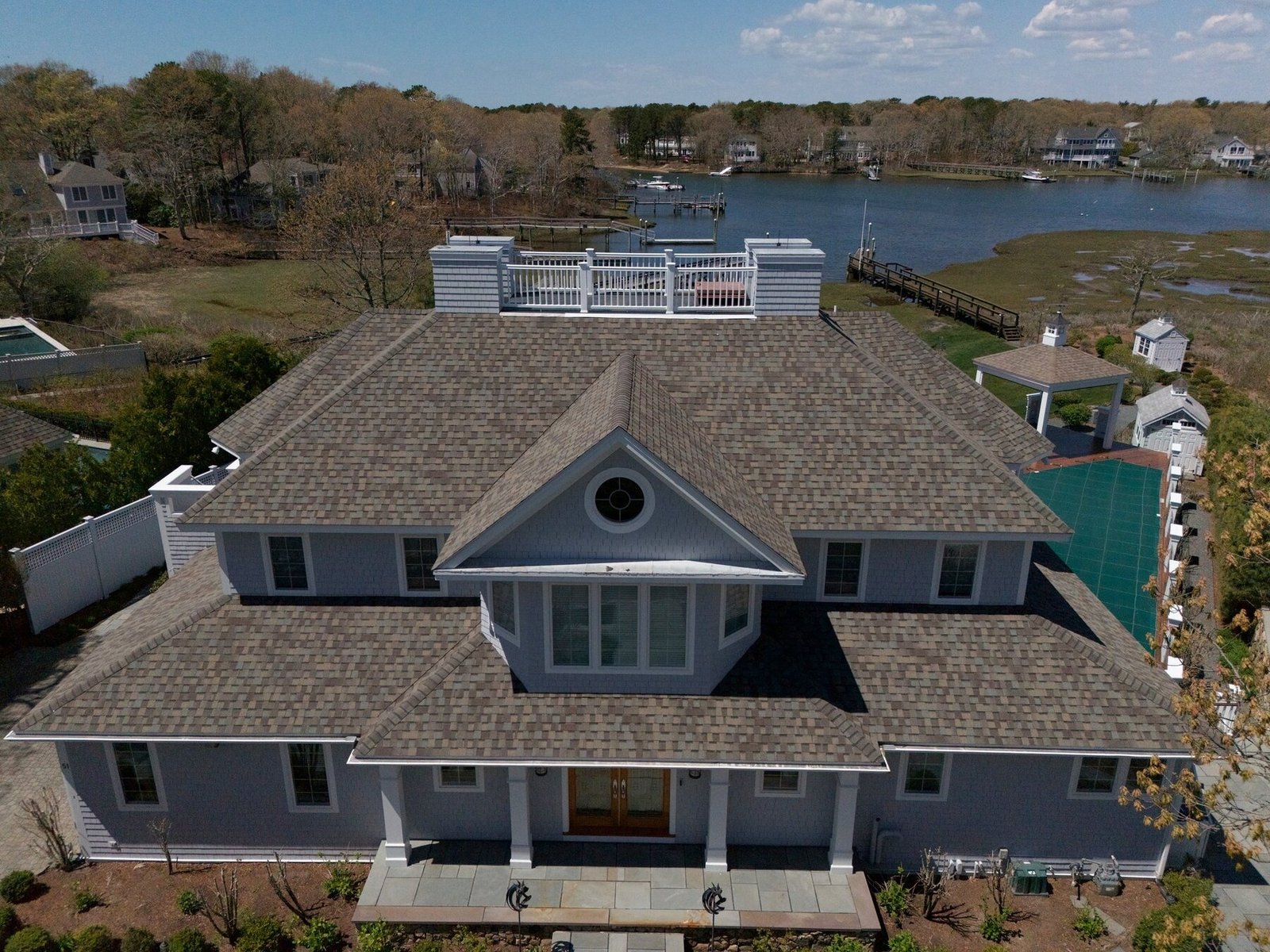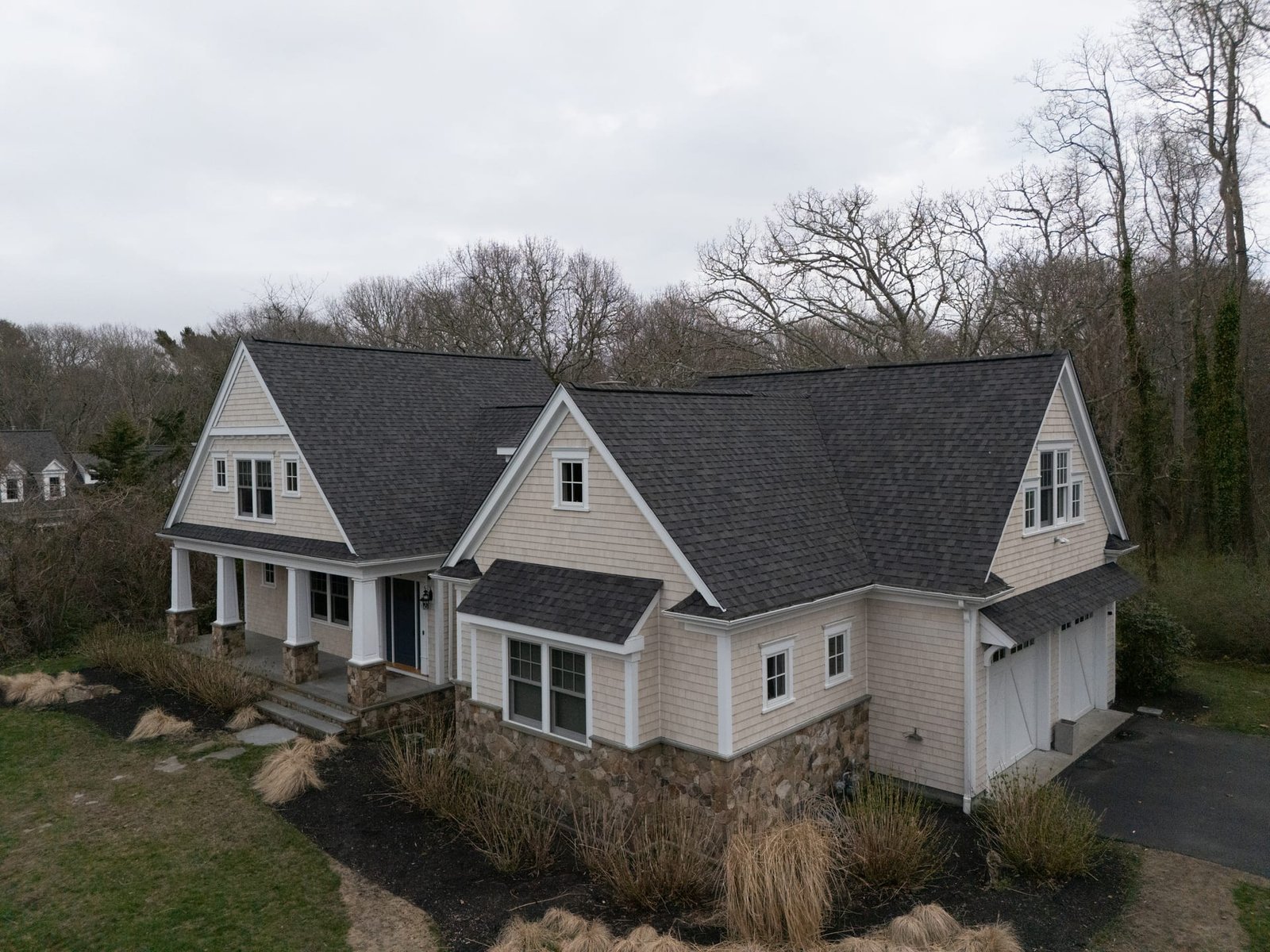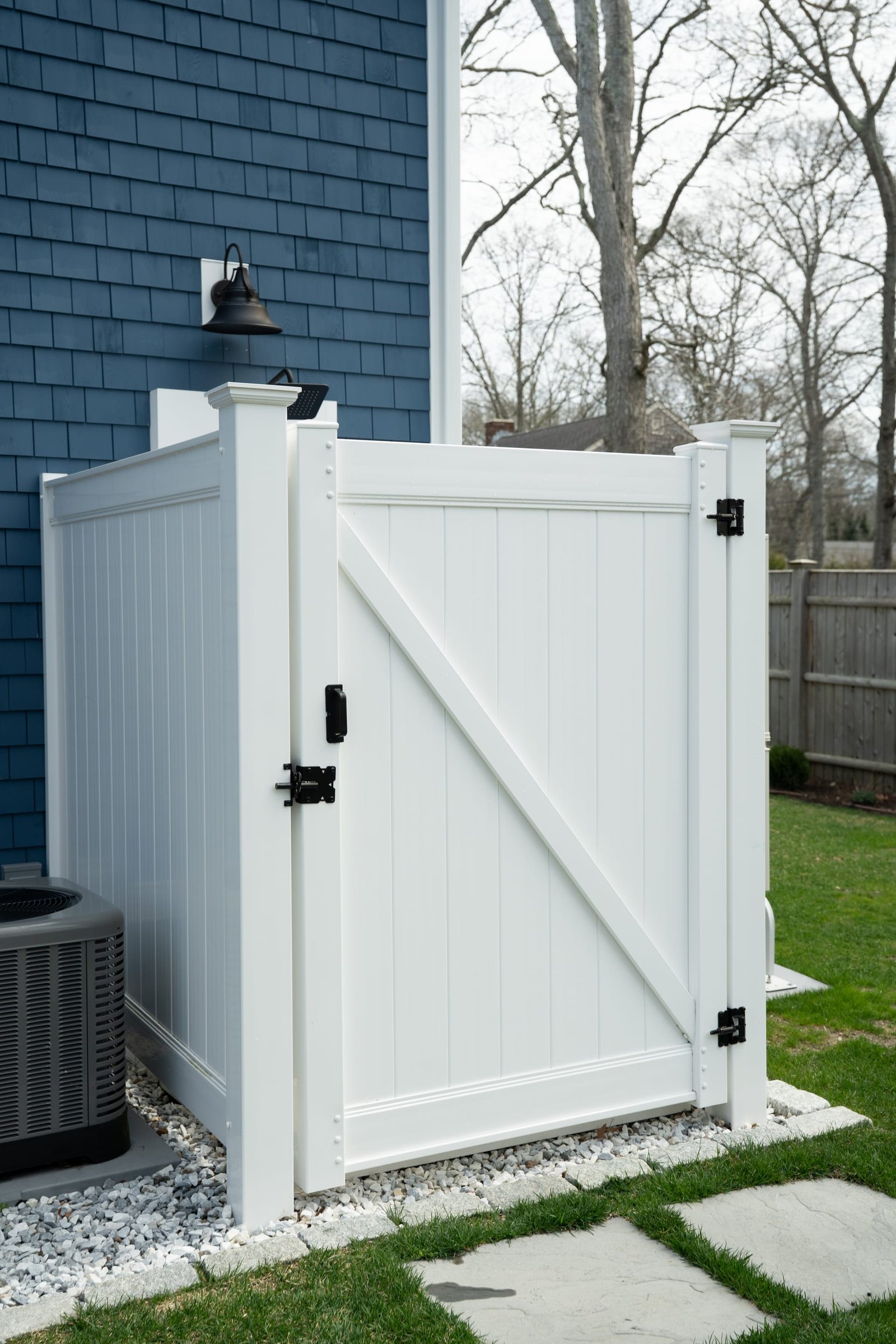

Cedar shingles are the classic Cape Cod siding, and they can last decades when they are installed right. Here is what to expect for lifespan and upkeep, what makes them fail, and the alternatives worth comparing.
By the Best Deal Home Group team, Centerville, MA
Cedar shingle siding on Cape Cod commonly lasts 20 to 30 years or more, depending on which way the wall faces, how the shingles were installed and whether they are finished and maintained. White cedar left natural weathers to the silver gray the Cape is known for, while red cedar and factory-stained shingles hold a color longer with periodic recoating. If you want the shingle look with less upkeep, fiber cement shingles from James Hardie paired with PVC trim like AZEK are the alternative most homeowners compare against.
White cedar, red cedar and pre-finished shingles
Not all cedar shingles are the same, and the choice changes both the look and the upkeep.
White cedar is the traditional Cape Cod shingle. Left unfinished, it starts out a light tan and weathers to gray over a few seasons. The color change is uneven at first, since walls that get more sun and rain turn faster. Some homeowners apply a bleaching oil to help the gray come in more evenly.
Red cedar comes from western species and is generally more dimensionally stable. It is often the choice when the plan is to stain or paint the siding. Left natural, it starts darker and goes through a brown phase before it grays. It usually costs more than white cedar.
Pre-finished shingles come from the factory already primed, stained or treated. Maibec is one brand we install. Because the finish is applied in a controlled setting before the shingles go on the wall, coverage is more consistent than brushing or spraying on site, and you can get solid colors, semi-transparent stains or a weathering finish without waiting. Pre-finished shingles cost more upfront and still need recoating eventually, but the first cycle tends to last longer.
How long cedar shingles last on the Cape
On a well-built wall, cedar shingles can last for decades. The real answer depends on the wall.
- South and west walls take the most sun and weather, so finishes break down faster and the wood dries out and erodes sooner.
- Walls facing the water take wind-driven rain and salt.
- Shaded north walls stay damp, so they grow mildew, moss and algae.
- The bottom courses near the ground get splashback and stay wet longer.
- Spots under missing or overflowing gutters get soaked over and over.
It is normal to replace sections on the worst-exposed walls before the rest of the house needs it.
Upkeep for cedar shingle siding
Natural, unfinished shingles need the least effort. Wash them gently every so often with a garden hose and a soft brush, treat mildew with a cleaner made for wood siding, and replace split or missing shingles as you find them. Avoid high-pressure washing, which tears up the wood fibers.
Stained or painted shingles need recoating on a cycle. Solid stains and paint generally last longer between coats than semi-transparent stains, but they also hide the grain. How often depends on the product and the exposure. A sunny south wall will need it sooner than a shaded one.
For any cedar siding:
- Keep plants, shrubs and mulch back from the walls so they can dry.
- Keep gutters and downspouts working so water does not pour onto the siding.
- Aim sprinklers away from the house.
- Recaulk around windows and doors when the old caulk cracks.
Where cedar siding fails
When cedar fails early, it is almost always for one of these reasons:
- Cupping and curling. Shingles that stay wet on the back and dry on the face will cup. Wide shingles and walls with no air gap behind them are the usual culprits.
- Splits. Shingles that are too wide, nailed in the wrong spot, or nailed too tightly will split as they move with the seasons.
- Rust streaks and stains. The wrong fasteners rust, stain the wood and eventually let go.
- Rot. It shows up at the bottom course, around windows and doors, behind downspouts and where a roof edge meets a wall. That last one is often missing kickout flashing, which is supposed to direct water away from the wall and into the gutter.
Installation details that decide the lifespan
Most of what makes cedar last happens during installation.
- Ventilated wall. A rainscreen, usually a drainage mat or furring between the shingles and the weather barrier, gives water a path to drain and lets the shingles dry from the back as well as the front. This is one of the biggest factors in preventing cupping and rot.
- Weather-resistant barrier and flashing. A properly lapped and taped barrier, flashed window and door openings, and kickout flashing at every roof-to-wall intersection.
- Fasteners for salt air. Near the water, stainless steel nails are the safe choice. Hot-dipped galvanized nails are acceptable in many locations, but plain steel and electro-galvanized fasteners rust and stain. Follow the shingle manufacturer's fastener requirements, especially on pre-finished products.
- Nailing pattern. Two nails per shingle, set back from the edges and placed high enough that the next course covers them.
- Spacing. A small gap between neighboring shingles lets them swell when wet without buckling, and the joints are offset from the course below so water does not run straight through.
- Back-priming. On finished shingles, coating all sides limits how much moisture the wood takes on and reduces cupping.
Alternatives to cedar shingles
If you love the look but not the maintenance, these are the options we see compared most often.
- Fiber cement shingle siding (James Hardie). It will not rot, is not food for insects, does not burn, and factory-painted versions hold their color for years. It is heavier, needs dust control when cut, and looks more uniform than real cedar. We compare it with vinyl in James Hardie vs vinyl siding.
- Engineered wood (LP SmartSide). It is available in a shake-style profile, lighter than fiber cement and comes primed or pre-finished.
- Vinyl shingle-style panels. Lowest cost and maintenance, but up close they read as vinyl.
- PVC trim (AZEK). It works with any of the above, including real cedar. It does not rot, takes paint, and holds up well at corners, windows and the bottom of the wall, where wood trim fails first. PVC moves with temperature, so joints and fastening have to be done correctly.
If your home is in a historic district, a switch away from wood shingles may need approval first. See our guide to the Old King's Highway Historic District.
Choosing what is right for your house
Choose natural white cedar if you want the traditional Cape look and are fine with it weathering on its own. Choose pre-finished cedar if you want a specific color with real wood. Choose fiber cement or engineered wood if low maintenance matters more than authenticity. For most homes, PVC trim is worth considering whatever siding you pick.
Best Deal Home Group installs cedar, Maibec, James Hardie, LP SmartSide and vinyl siding, plus AZEK trim, across Cape Cod. Learn more about our siding and trim work, call (774) 470-8511, or request a free estimate.
Frequently asked questions
How long do cedar shingles last on a house on Cape Cod?
Cedar shingle siding on Cape Cod commonly lasts 20 to 30 years or more. Walls facing south, west or the water wear faster than sheltered walls, and shaded north walls are more prone to mildew. Installation details such as a ventilated rainscreen, correct fasteners and good flashing have a big effect, as does keeping gutters working and plants away from the walls.
Should I stain cedar shingles or let them weather naturally?
Letting white cedar weather naturally gives the classic gray Cape Cod look with the least upkeep: periodic gentle washing and replacing damaged shingles. Staining or painting gives you a chosen color and some added protection, but it starts a recoating cycle every several years. Factory pre-finished shingles are a middle ground, with an even finish from day one and a longer first cycle.
Why are my cedar shingles cupping or curling?
Cedar shingles usually cup when the back stays wet while the face dries. Common causes are shingles installed tight against the wall with no air gap, shingles finished only on the face, very wide shingles, and water from gutters or sprinklers hitting the wall. Installing over a ventilated drainage mat and back-priming finished shingles helps prevent it on new siding.
What nails should be used for cedar shingles near the ocean?
Near salt water, stainless steel nails or staples are the safest choice for cedar shingles because they will not rust or stain the wood. Hot-dipped galvanized fasteners are acceptable in many locations. Plain steel and electro-galvanized fasteners corrode, leave dark streaks and can fail. Always check the shingle manufacturer's fastener requirements, especially for pre-finished products.
Is fiber cement a good alternative to cedar shingles?
Fiber cement shingle siding, such as James Hardie, is a common alternative to cedar on Cape Cod. It does not rot, resists insects and fire, and factory-painted versions hold their color for years. The tradeoffs are a more uniform look than real wood, more weight, and the need for dust control when cutting. In historic districts, switching materials may need approval first.
Related services
Free Estimates
Ready to Get Started?
We come out, take a look, and give you a straight quote. No pressure, no obligation.
Keep reading