James Hardie vs. Vinyl Siding: Which Is Right for Your Home?
Both are popular choices, but they perform very differently over time. We compare cost, durability, maintenance, and appearance so Cape Cod homeowners can make an informed decision before the job starts.
When homeowners ask us about siding, the conversation almost always comes down to two options: James Hardie fiber cement and vinyl. Both are widely used, both come in a range of styles and colors, and both are significantly better than wood in terms of maintenance. But they are not the same product, and the right choice depends on your priorities.
What Is James Hardie?
James Hardie is a fiber cement product — a composite of cement, sand, and cellulose fiber. It is manufactured to look like wood lap siding, shingles, or vertical board and batten, but it does not behave like wood. It does not rot, it does not attract insects, and it holds paint extremely well. Hardie carries a 30-year warranty and is specifically engineered for different climate zones. Their HardieZone product line for New England is built to handle our freeze-thaw cycles and salt air.
What Is Vinyl?
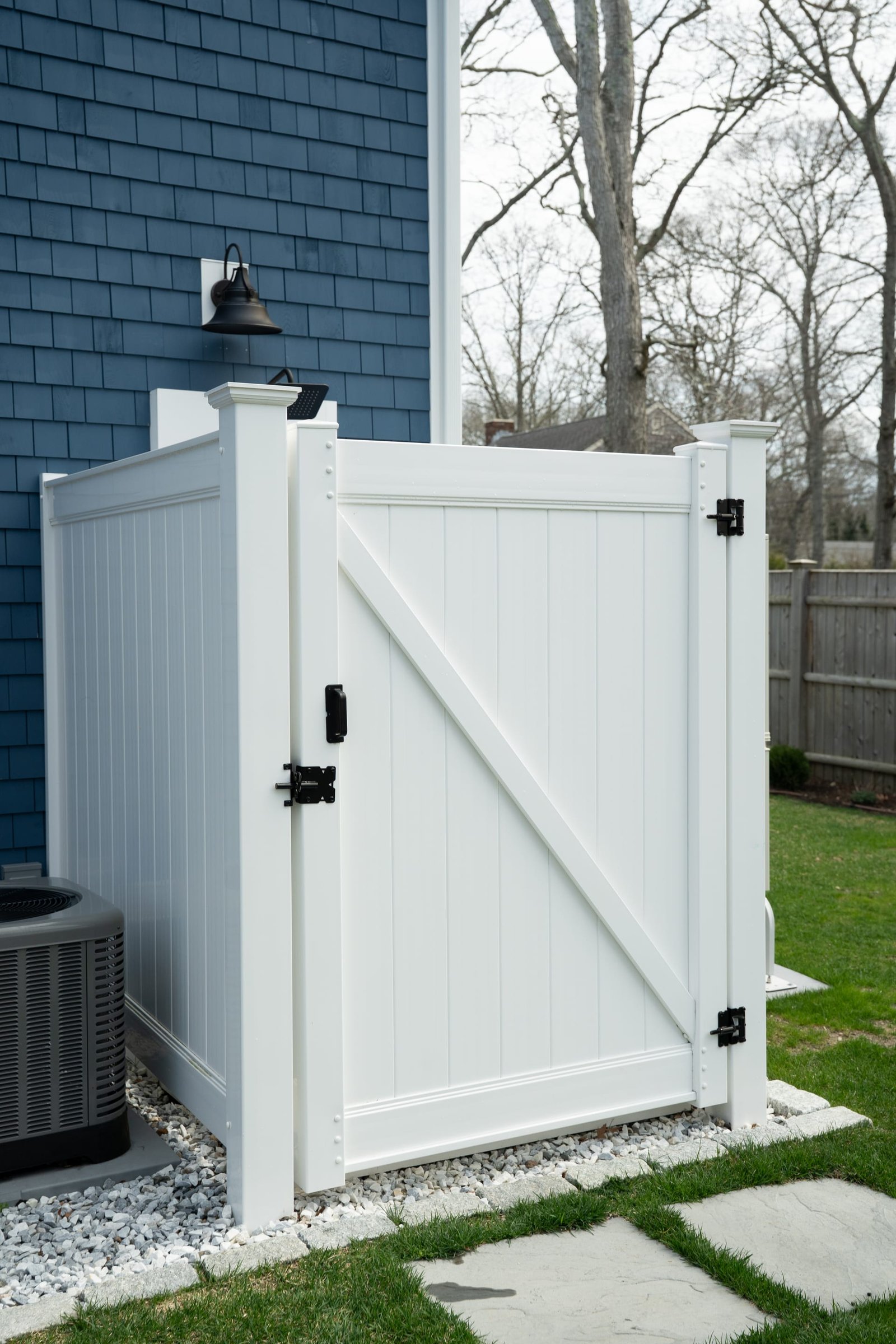
Vinyl siding is made from PVC plastic. It was originally developed as a low-maintenance alternative to wood, and it delivers on that promise. It never needs painting, it won't rot, and it's less expensive than fiber cement. Modern vinyl comes in dozens of profiles and colors, including some that convincingly mimic wood texture.
Durability
This is where the two products separate. Vinyl, while tough, can crack or warp in extreme cold and can fade significantly over 10 to 15 years — especially in darker colors and on sun-exposed walls. It can also be damaged by impact more easily than fiber cement.
James Hardie holds up better in harsh conditions. It does not warp, it resists impact, and it holds color longer because it can be repainted. On Cape Cod, where salt air, wind-driven rain, and cold winters are the norm, fiber cement consistently outperforms vinyl over a 20-plus-year period.
Maintenance
Vinyl is essentially maintenance-free — just clean it periodically. Hardie requires repainting every 10 to 15 years, which is a real cost. That said, Hardie comes factory-primed and pre-finished from the manufacturer, and many homeowners go well beyond 15 years before needing a repaint.
Cost
Vinyl is cheaper to install. Materials and labor for vinyl siding typically run 20 to 40 percent less than fiber cement. If budget is a major constraint, vinyl is not a bad choice — it's a proven product that has been on millions of homes for decades.
Our Take
For most Cape Cod homes, James Hardie is the better long-term investment. The durability advantage in a coastal environment is real, and the curb appeal difference — especially with painted Hardie on a traditional New England home — is significant. But if the budget doesn't stretch, a quality vinyl installation is still a major upgrade over old wood or damaged siding.
We install both. If you want to talk through what makes sense for your home, give us a call and we'll give you an honest answer.
Free Estimates
Ready to Get Started?
We come out, take a look, and give you a straight quote. No pressure, no obligation.