
How to Prepare Your Home's Exterior for a Cape Cod Winter
Before the cold sets in, there are several things every homeowner should check. From gutters and siding to caulking and entry doors, a fall walkthrough can prevent a lot of expensive surprises come spring.
Cape Cod winters are not the most brutal in New England, but they're not mild either. Freezing temperatures, nor'easters, heavy rain, and salt-air humidity test every exterior surface on your home. A little preparation in October and November can prevent a lot of costly repairs in March.
Here is a practical checklist to work through before winter arrives.
Clean and Inspect the Gutters
This is the most important item on the list. Clogged gutters overflow during heavy rain and direct water against your fascia, soffit, and foundation — exactly where you don't want it. In winter, that water freezes and expands, and ice dams form when backed-up gutters prevent meltwater from draining.
Clean your gutters in late fall after the leaves have come down. While you're up there, check that the gutters are firmly attached, properly sloped, and that downspouts direct water at least four feet away from the foundation.
Check Your Caulking and Seals
Caulk deteriorates over time. Walk around your home and inspect the caulking around windows, doors, and where any trim meets the siding. If you see cracks, gaps, or sections that are pulling away, remove the old caulk and replace it with a high-quality exterior silicone or polyurethane product. This is a simple job that makes a significant difference in both air infiltration and water intrusion.
Look at Your Siding
Walk the perimeter of your home and look for any siding that is cracked, warped, or missing. Pay particular attention to areas near the ground where snow can pile up, and around windows and doors where water tends to concentrate. Small damage left unrepaired going into winter often becomes bigger damage by spring.
Inspect Your Entry Doors
Exterior doors should close snugly with no visible light around the frame. If you can feel a draft or see daylight, the weatherstripping needs to be replaced. This is a quick and inexpensive fix that reduces heating costs and prevents moisture infiltration.
Check Your Roof for Vulnerabilities
You don't need a full roof inspection every fall, but a quick scan from the ground is worth doing. Look for missing or lifted shingles, leaves or debris accumulation in valleys, and any flashing that appears to be pulling away from chimneys or walls. If something looks off, have it looked at before snow loads add stress to the structure.
Protect Your Outdoor Fixtures
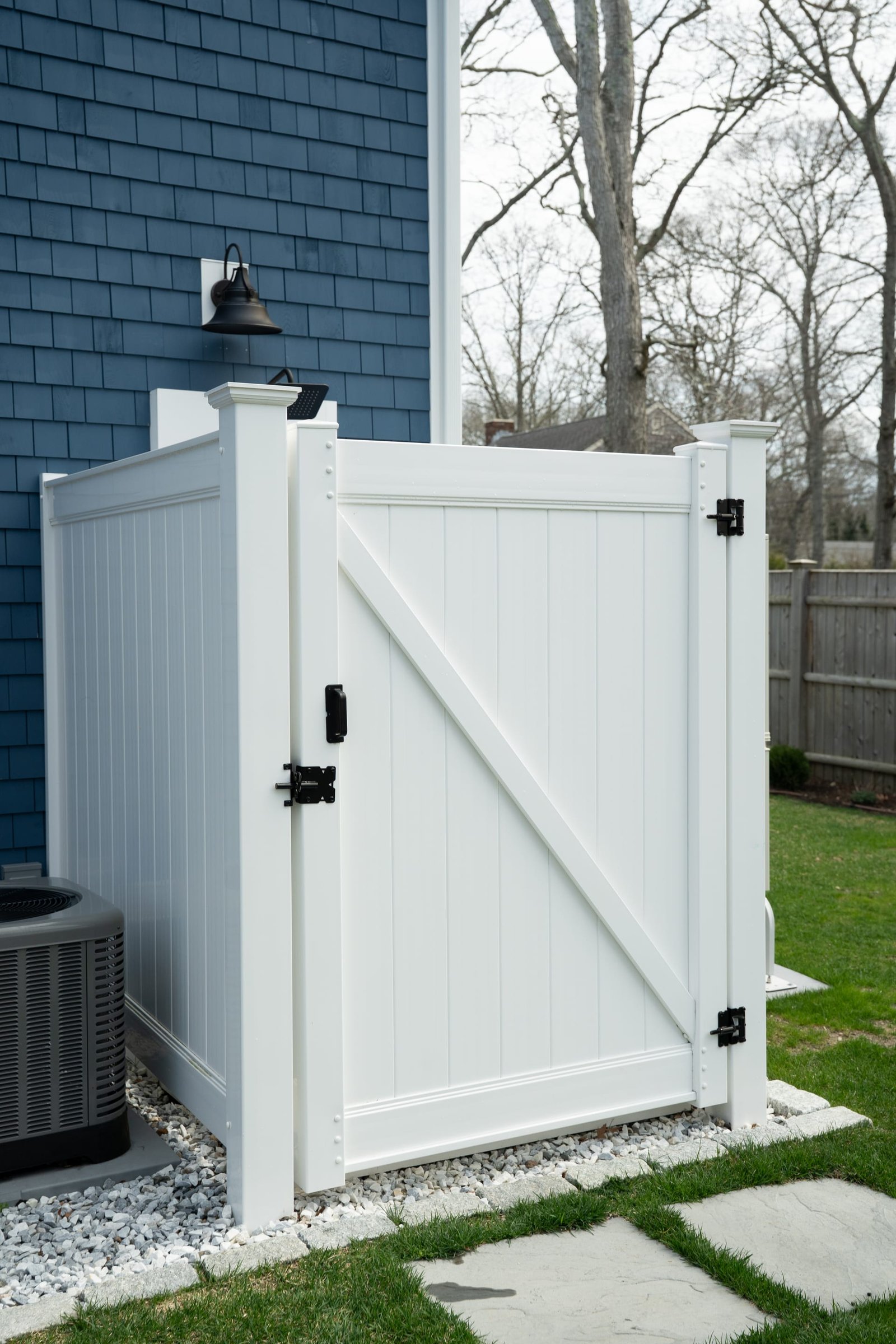
Outdoor showers, hose bibs, and any exposed plumbing should be properly winterized before the first hard freeze. Drain hoses, shut off interior valves to outdoor faucets, and open the faucet handles to let any remaining water drain out. Frozen pipes are entirely preventable.
Grade Your Landscaping
Make sure the soil around your foundation slopes away from the house rather than toward it. Over time, landscaping shifts and mulch builds up, which can direct water toward the foundation. A few minutes with a rake or shovel in the fall saves you from foundation moisture issues in the spring.
None of these items require a contractor — most are straightforward DIY tasks. But if you spot something during your walkthrough that concerns you, don't wait until spring to have it looked at. Small problems always get bigger over a Cape Cod winter.
Free Estimates
Ready to Get Started?
We come out, take a look, and give you a straight quote. No pressure, no obligation.