Roof replacement prices on Cape Cod swing widely because no two roofs are the same size, shape or condition underneath. Here is what actually drives the number, with rough regional ranges and how to read an estimate.
By the Best Deal Home Group team, Centerville, MA
A roof replacement on Cape Cod is priced by the size of the roof, how steep and cut-up it is, what has to come off, what condition the decking is in, and what material goes back on. As a rough, wide range for the region, an architectural asphalt reroof on an average-size Cape home often lands somewhere around $12,000 to $30,000, and cedar shingle or standing seam metal roofs commonly run two to three times what asphalt would on the same house. The only number that means anything for your home is a written estimate after someone has been on the roof and in the attic.
Two houses on the same street can get very different quotes, and both can be fair. One has a simple gable roof with one layer of shingles and solid plywood underneath. The other has three dormers, a chimney, two skylights, two layers of old shingles and plank decking from the 1960s. Same neighborhood, different job.
That is why any price you see online, including the ranges in this article, should be treated as a starting point for a conversation and nothing more. Labor, material and disposal prices also move from year to year, so a figure a neighbor paid a few years ago may not hold today.
Roof size is measured in squares
Roofers measure in squares. One square is 100 square feet of roof surface. A house with a 1,500 square foot footprint does not have a 1,500 square foot roof: the overhangs, the pitch and every dormer add surface. A steep roof can have far more area than the floor plan suggests.
On top of the measured area, a waste factor gets added for cuts at hips, valleys and rakes. A plain gable roof wastes little. A roof with lots of intersecting planes wastes more, and that material is part of the cost even though it ends up in the dumpster.
Pitch, complexity and access
A low-slope roof you can walk on goes faster than a steep one that needs roof jacks, staging and harnesses for every move. Steep roofs are slower and riskier, and the price reflects that.
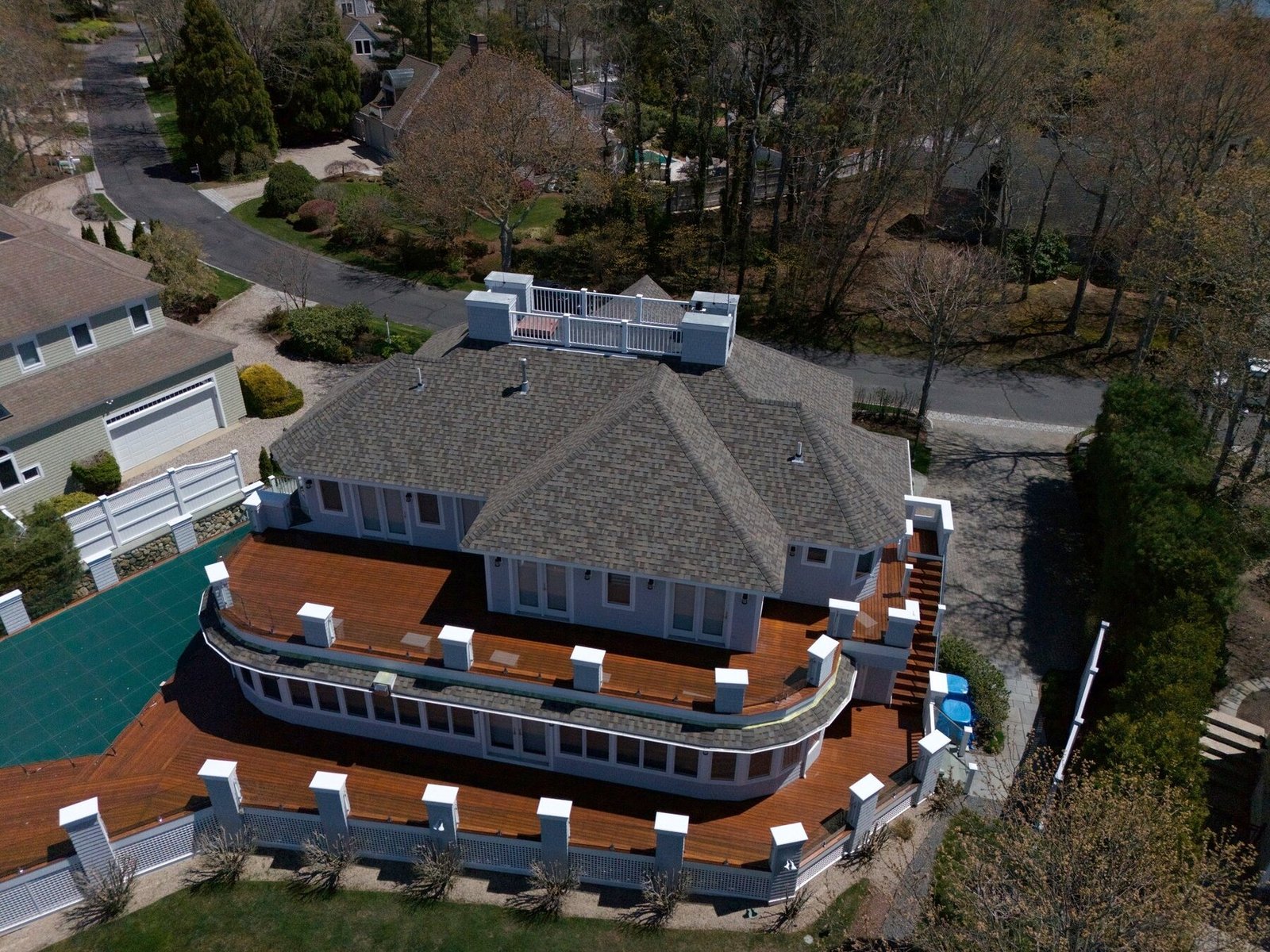
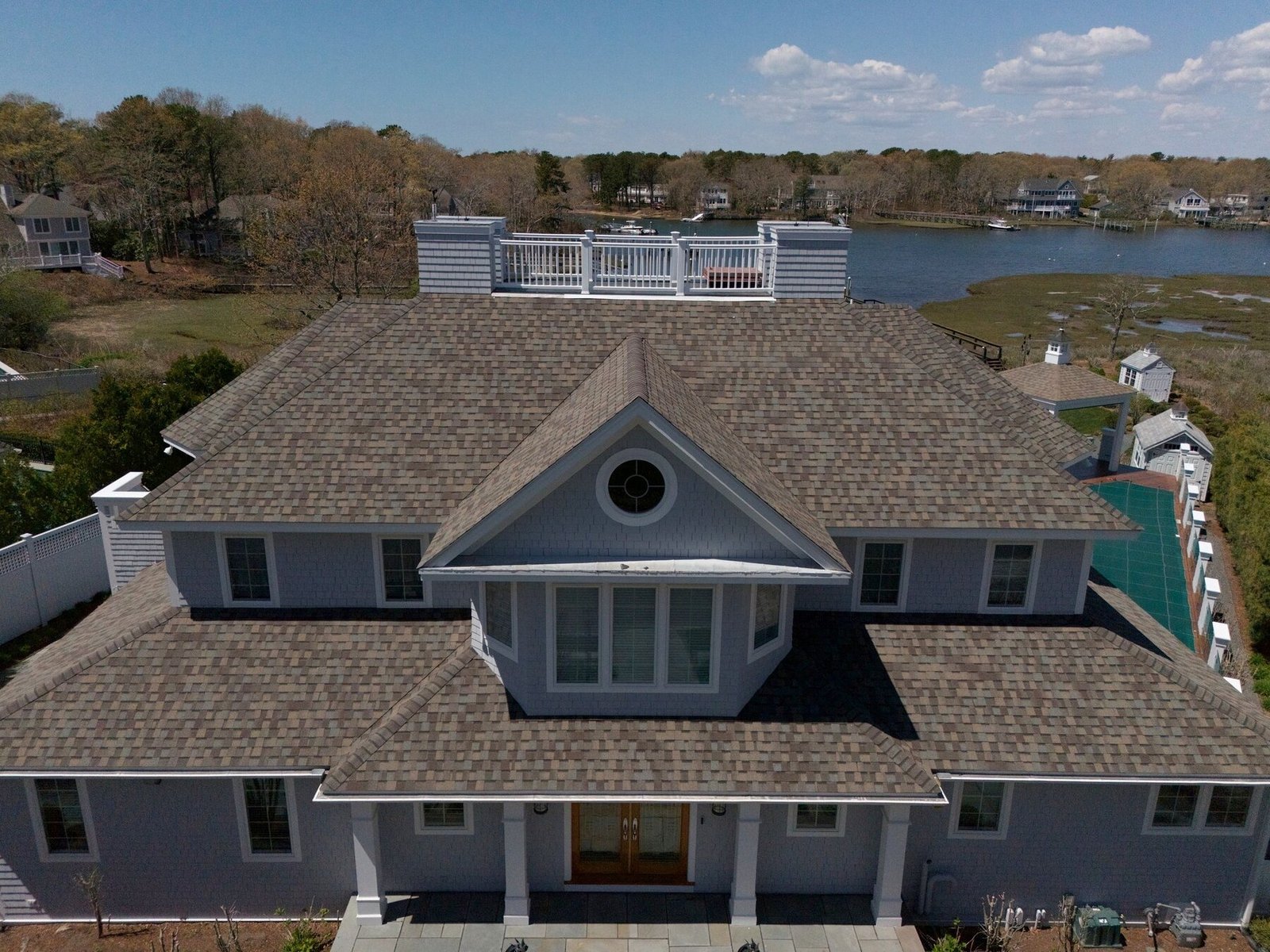
Complexity matters as much as pitch. Every dormer, valley, wall intersection and change in roof plane means more cutting, more flashing and more hand work. A cut-up Cape with shed dormers on both sides takes far longer per square than a simple ranch.
Access is the part homeowners rarely think about. Tight lots, mature trees over the roof, a long carry from the driveway, gardens that need to be tarped, or no good spot for a dumpster all add time. Protecting landscaping, decks and windows during tear-off is part of a careful job, and it is labor.
What is under the old shingles
The biggest unknowns on any estimate are hidden until the old roof comes off.
- Layers to tear off. Each extra layer of old shingles means more labor and more weight going to disposal. If your roof was already recovered once, the next job is a full tear-off.
- Decking repair. Rotted, delaminated or soft plywood has to be replaced before new shingles go down. Many older Cape houses also have plank decking with gaps between boards, which sometimes needs new sheathing over it.
- Rafters and structure. Occasionally a sagging section points to a framing problem that has to be fixed first.
Because nobody can see the decking from the ground, most estimates include a per-sheet price for any replacement plywood. Read that line. It tells you what happens to your total if they find more rot than expected.
The parts of the roof you do not see
Shingles are the visible part. A lot of the cost, and most of the long-term performance, sits underneath and around them.
- Ice and water shield. A self-adhering membrane at the eaves is standard practice in our climate and is called for by the building code in areas with a history of ice dams. Many roofers also run it in valleys and around chimneys and skylights.
- Underlayment over the rest of the deck.
- Drip edge at eaves and rakes.
- Flashing. Step flashing where the roof meets a wall, plus chimney flashing and counterflashing. Reusing old flashing saves money today and is one of the most common sources of leaks later.
- Chimneys and skylights. A chimney may need repointing or a new cap, which is masonry work beyond the roof itself. Older skylights are often replaced or reflashed during a reroof rather than left to fail under a new roof.
- Ventilation. Ridge vent, soffit vents and new pipe boots. Poor ventilation shortens shingle life and contributes to ice dams.
Material: asphalt, cedar or metal
Material is the single biggest choice you control. These are rough, wide typical ranges for the region, not quotes.
- Architectural asphalt shingles from manufacturers like GAF, CertainTeed and Owens Corning are what most Cape Cod homes get. They are the lowest cost of the three per square, widely available and quick to install. Installed prices on the Cape often fall somewhere in the range of several hundred to over a thousand dollars per square, depending on everything above.
- Cedar shingle roofs have the traditional look many Cape homes were built with. Every shingle is hand-nailed and the roof needs to be installed so it can breathe and dry, so labor is much higher. Expect roughly two to three times the cost of asphalt.
- Standing seam metal lasts a long time and sheds snow well, but it is a specialized install with a higher upfront price, often in the same two to three times range.
If your home is in a historic district, changing material may need approval before you start. Our article on the Old King's Highway Historic District covers that.
Disposal, permits and the season
A tear-off produces tons of debris. Dumpster rental and disposal fees are usually charged by weight, so more layers mean a bigger bill.
Reroofing in Massachusetts generally requires a building permit from your town, and the fee and paperwork vary from town to town. A licensed contractor should pull it. If the estimate does not mention the permit, ask.
Timing can also affect cost and scheduling. Spring and fall fill up fast on the Cape, and winter installs are possible but come with limits on when shingles seal properly. We explain the tradeoffs in when to schedule a roof replacement.
How to compare roofing estimates
Do not compare bottom lines alone. Put the estimates side by side and check that they include the same scope:
- Full tear-off, and how many layers
- Price per sheet of replacement decking
- How far the ice and water shield goes, and where else it is used
- New flashing versus reused flashing
- Ventilation: ridge vent, soffit intake, pipe boots
- Shingle brand and product line
- Permit, dumpster, cleanup and magnetic nail sweep
- What happens with chimneys and skylights
A low price that leaves out flashing, ventilation or decking is not cheaper. It just moves the cost to later.
If your roof is showing its age, start with an inspection. Best Deal Home Group offers free estimates for roof replacement anywhere on Cape Cod. We go up on the roof, check the attic, and give you a written estimate that spells out what is included. Call (774) 470-8511 or send us a message.
Frequently asked questions
How much does a new roof cost on Cape Cod?
As a rough regional range, an architectural asphalt roof replacement on an average-size Cape Cod home often costs somewhere around $12,000 to $30,000. Larger, steeper or more complex roofs can go well past that, and cedar or metal roofs commonly cost two to three times as much. Prices change with labor and material costs, so get a written estimate after an inspection before you budget.
Why do roofing quotes vary so much?
Roofing quotes vary because contractors may be pricing different scopes. One may include a full tear-off, new flashing, ice and water shield in valleys and a ridge vent, while another reuses flashing and skips ventilation. Compare line by line: layers removed, decking price per sheet, flashing, ventilation, shingle line, permit and cleanup. A lower total often means something was left out.
Can I put new shingles over my old roof to save money?
Sometimes a single layer of old shingles can be covered, but it is rarely a good idea. You cannot inspect or repair the decking, old flashing usually stays in place, and the new shingles may not lie flat. Building codes also limit how many layers a roof can carry. On Cape Cod most roofers recommend a full tear-off so the deck and flashing can be done right.
Does a roof replacement need a permit in Massachusetts?
Reroofing in Massachusetts generally requires a building permit from the town where the house is located. Requirements and fees vary by town, and homes inside a historic district may also need approval from the local historic committee before work starts. Your roofing contractor should pull the permit and include it in the estimate. If you are unsure, call your town building department.
How long does a roof replacement take?
Most asphalt roof replacements on a typical Cape Cod home take one to a few days once work starts, depending on size, pitch, the number of layers to remove, decking repairs and weather. Cedar and metal roofs take longer. Scheduling usually takes more time than the job itself, especially in spring and fall, so it pays to book ahead.
Related services
Free Estimates
Ready to Get Started?
We come out, take a look, and give you a straight quote. No pressure, no obligation.
Keep reading