
A finished basement is only as good as the concrete behind it, and moisture is the problem that ruins most of them. Here is how to find where the water comes from, test for it, fix it, and build the finished space so it stays dry.
By the Best Deal Home Group team, Centerville, MA
You need to find and fix basement moisture before you finish the space, because new walls and flooring will trap that moisture against the concrete, where it turns into mold, rot and a musty smell. Start by figuring out whether the water is coming through the foundation or condensing from humid air, fix the outside first, then build the finished space with materials that tolerate a little dampness.
We have opened up plenty of finished basements on Cape Cod where the drywall looked fine from the room side and was black with mold on the back. In almost every case, the moisture was there before anyone hung a single sheet. Here is how we approach it.
Where Basement Moisture Comes From on Cape Cod
Most basement water problems come from one of five places, and many basements have more than one.
- High groundwater. Near the coast, ponds and marshes, the water table can sit close to the bottom of the foundation, especially in spring and after long stretches of rain. Water pushes up through the slab or in at the joint where the wall meets the floor.
- Grading that slopes toward the house. Soil settles over the years. If the ground around the foundation now slopes toward the house, every rain sends water straight at the basement walls.
- Gutters and downspouts. A clogged gutter or a downspout that dumps right next to the foundation can put hundreds of gallons of water against the wall in a single storm.
- Condensation. Cape Cod summers are humid. When warm, damp air hits cool concrete, it condenses into water on the walls and floor. This one fools a lot of people into thinking they have a leak.
- Foundation cracks. Small shrinkage cracks are common in poured concrete. Some stay dry. Others let water in when the soil outside is saturated.
How to Test for Moisture
Before spending money on fixes, figure out what you are dealing with. Two simple tests tell you a lot.
The plastic sheet test. Tape a square of plastic sheeting or aluminum foil, roughly two feet by two feet, tight to the foundation wall and another to the slab. Seal all four edges with tape. Leave it for two or three days, then peel it back.
- If the underside (against the concrete) is wet, moisture is coming through the foundation from outside.
- If the room side is wet, the problem is humid air condensing on cold surfaces.
- If both are wet, you have both problems.
A hygrometer. An inexpensive digital hygrometer measures relative humidity. Leave one in the basement for a week or two in summer. If readings regularly sit above 60 percent, the space is too damp to finish without running a dehumidifier. Most finished basements do well in the range of 30 to 50 percent.
Also look for the obvious clues: white powdery deposits (efflorescence) on the walls, water lines, rust on the bottoms of metal posts, and that musty smell.
Fix the Outside First
The cheapest water to deal with is water that never reaches the foundation. Before anything inside, work through the exterior:
- Clean and repair gutters so they actually carry water to the downspouts.
- Extend downspouts several feet away from the foundation, or tie them into a proper drain that carries water away from the house.
- Regrade the soil so it slopes away from the house on all sides. Built-up mulch beds and settled soil against the foundation are common culprits.
- Check window wells for drainage and debris. A window well that fills like a bucket will leak.
These fixes are not glamorous, but they solve a surprising share of damp basements. We also cover the exterior side in our guide to preparing your home exterior for Cape Cod winters.
Then Deal With What Is Left Inside
Once the outside is handled, look at what moisture remains.
- Run a dehumidifier. If the problem is condensation, a properly sized dehumidifier with a drain line (so you are not emptying a bucket) is often enough. In a finished basement, plan a spot for it from the start.
- Seal cracks. Non-structural cracks that seep can often be sealed from the inside. Cracks that are wide, growing, or offset from one side to the other are a structural question and need a professional evaluation.
- Interior drainage when needed. If groundwater keeps coming in after the exterior fixes, the usual solution is an interior perimeter drain that collects water at the base of the wall and sends it to a sump pump. This is a job for a basement waterproofing specialist, and it needs to happen before any framing goes up.
Do not finish the basement until it has made it through a wet season dry. If you are not sure, wait. A few months of patience costs far less than tearing out finished walls.
How to Build a Finished Basement That Stays Dry
Even a dry basement has concrete that stays cool and can pick up a little moisture. The way you build the finished space should account for that.
- Rigid foam against the foundation. Glue or fasten rigid foam insulation board directly to the concrete walls, tape the seams, and seal the edges. The foam keeps the warm room air from reaching the cold concrete, which stops condensation behind the wall.
- No fiberglass batts against concrete. Fiberglass batts stuffed against a foundation wall, especially behind a plastic vapor barrier, are a classic recipe for trapped moisture and mold. Frame the wall in front of the foam instead.
- Keep wood off the concrete. Use pressure-treated lumber for bottom plates that sit on the slab, with a sill gasket or foam underneath.
- Mold-resistant drywall. Use moisture and mold resistant drywall, and keep the bottom edge slightly off the floor so it cannot wick water.
- Waterproof flooring. Luxury vinyl plank (LVP) handles basement conditions well. It tolerates some moisture and does not mold the way carpet pad can. Skip solid hardwood below grade.
- Egress for bedrooms. If you plan a bedroom in the basement, building code requires an emergency escape opening, which is usually an egress window with a properly drained window well. Your town building department will confirm the requirements.
Finishing the Space
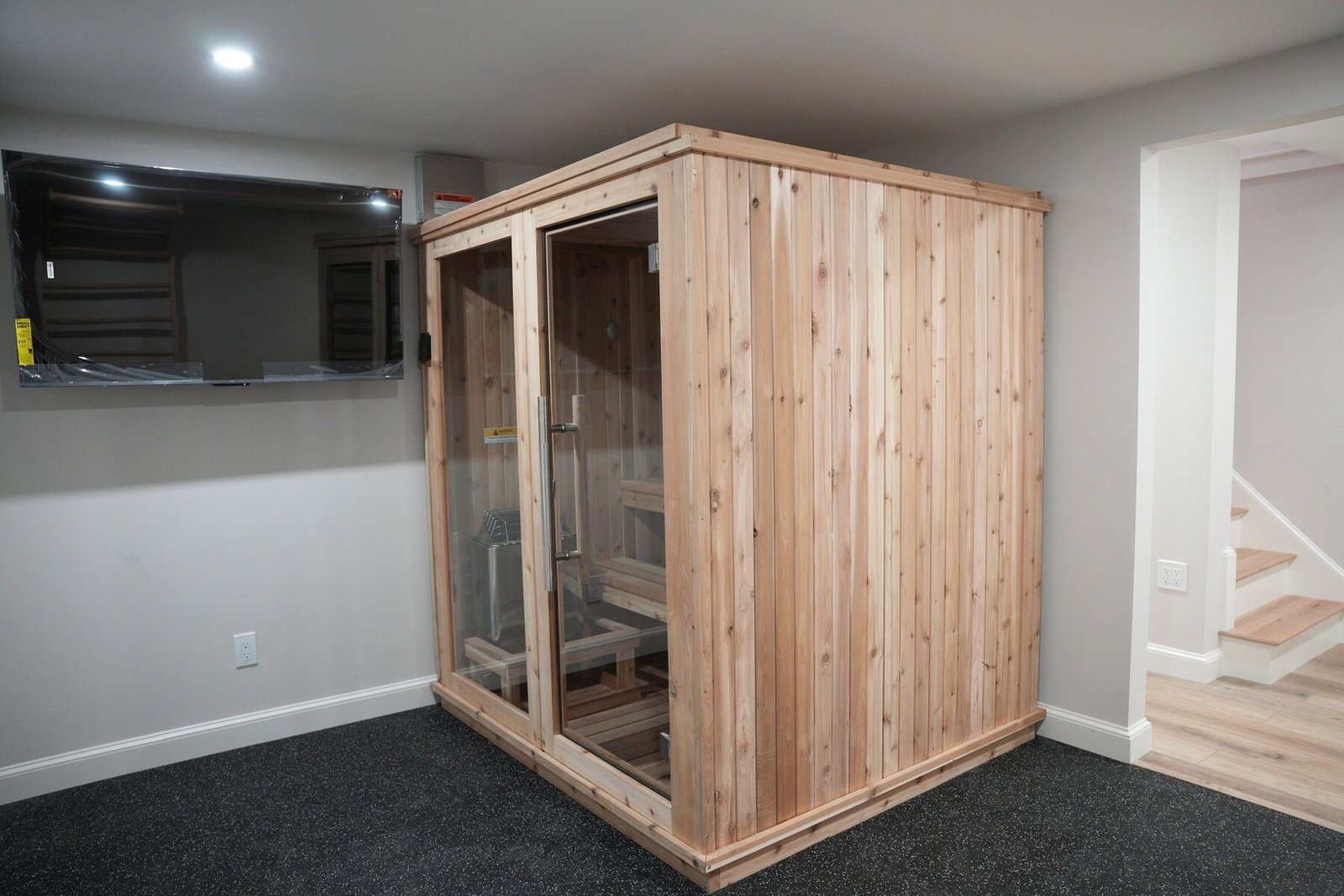
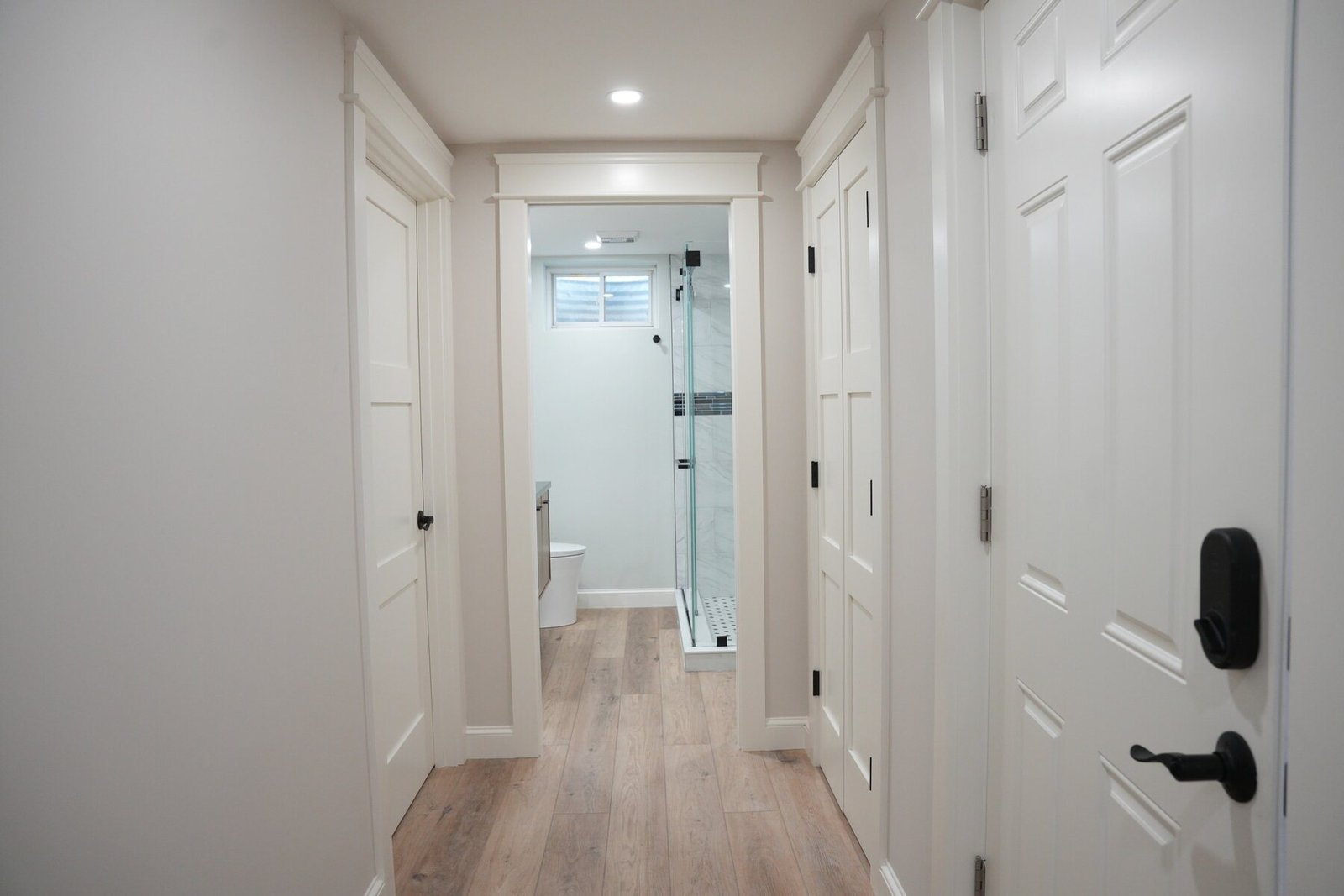
Once the moisture is under control, a basement becomes some of the most useful square footage in the house: a family room, a guest suite, a home gym or an office. For layout ideas, see our post on how to make the most of an unfinished basement.
At Best Deal Home Group, we look at moisture first on every basement we finish. If you want someone to walk your basement and give you a straight answer on what it needs, take a look at our basement finishing services or contact us for a free estimate.
Frequently asked questions
How do I know if my basement is too wet to finish?
Tape plastic sheeting to the wall and floor for two to three days and check for moisture underneath, and run a hygrometer for a week or two in summer. If water comes through the concrete, or humidity regularly stays above 60 percent, the basement is not ready. Look for efflorescence, water lines and a musty smell too. Fix the moisture and let the basement go through a wet season dry before finishing.
Is a dehumidifier enough to dry out a basement?
A dehumidifier handles humidity and condensation well, which is often the main problem in Cape Cod basements during humid summers. It will not stop liquid water coming through cracks or up from high groundwater. If the plastic sheet test shows water coming through the foundation, fix the gutters, downspouts and grading first, and consider interior drainage if water still gets in.
What insulation should go against basement walls?
Rigid foam insulation board fastened directly to the concrete, with taped seams and sealed edges, is the common choice. It keeps warm, humid room air away from the cold foundation so moisture does not condense behind the wall. Fiberglass batts pressed against concrete, especially behind plastic sheeting, tend to trap moisture and grow mold. Frame the finished wall in front of the foam.
What is the right flooring for a basement on Cape Cod?
Luxury vinyl plank is a popular choice for finished basements because it tolerates some moisture, does not support mold the way carpet and pad can, and holds up to daily use. Tile also works well. Solid hardwood is a poor fit below grade because it swells and cups with moisture. Whatever you choose, deal with the moisture source before the floor goes down.
Do I need an egress window to put a bedroom in my basement?
Yes. Building code requires an emergency escape opening for basement bedrooms, which is usually an egress window large enough for a person to climb out of, with a window well that drains properly. Size and sill height requirements apply, and the work typically needs a building permit. Confirm the details with your town building department before you plan the layout.
Related services
Free Estimates
Ready to Get Started?
We come out, take a look, and give you a straight quote. No pressure, no obligation.
Keep reading