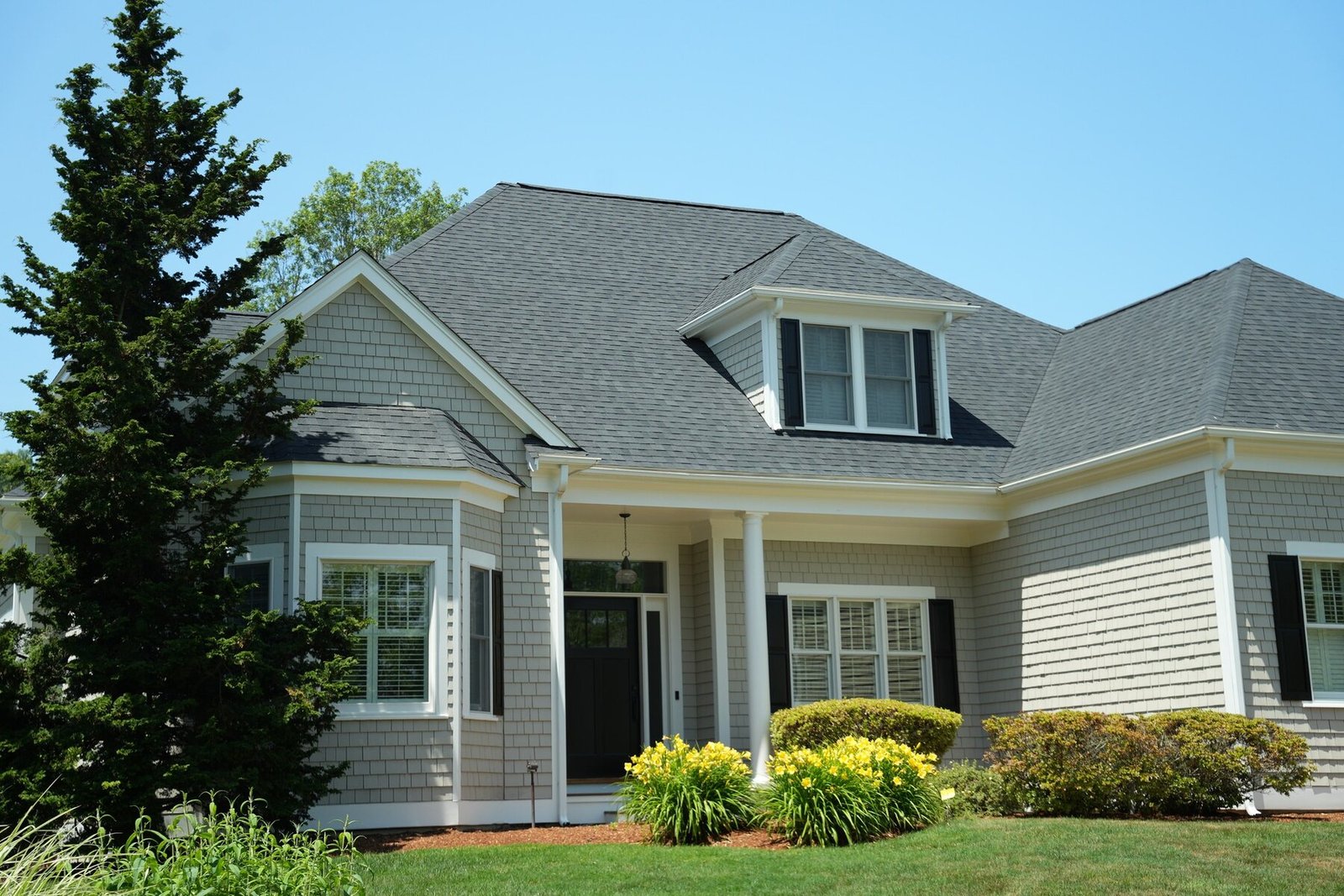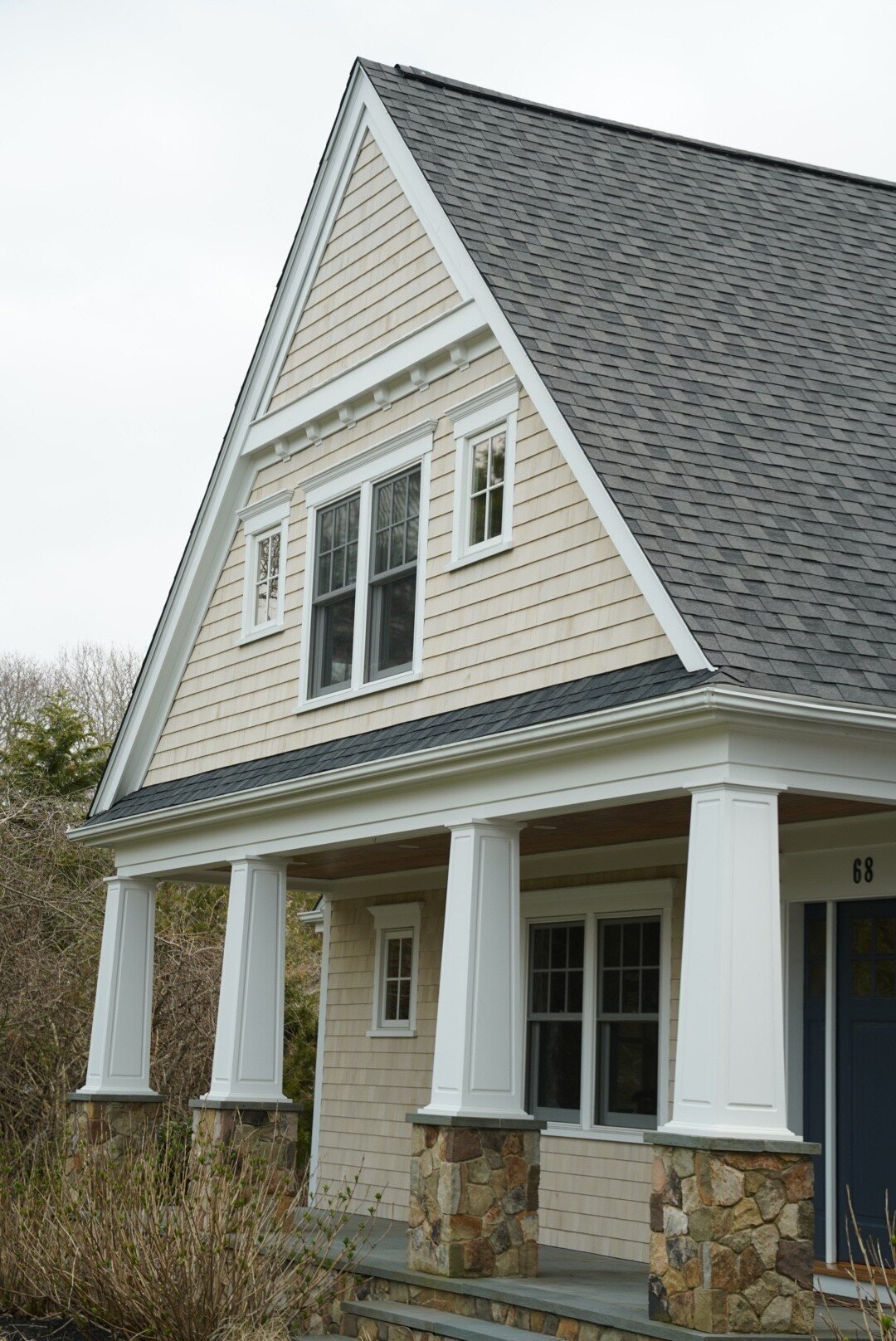

Older Cape Cod homes have character worth keeping, and window replacement is where a lot of it gets lost. Here is how to choose between insert and full-frame replacement, deal with rot and lead paint, and keep the look of the house.
By the Best Deal Home Group team, Centerville, MA
When replacing windows in an older Cape Cod home, the main choice is between an insert replacement, which fits a new window inside the existing frame, and a full-frame replacement, which removes everything down to the rough opening so rot can be repaired and the window properly flashed. On older homes, also plan for lead-safe work practices if the house was built before 1978, historic district review on the north side of the Cape, and divided lites that keep the character of the house.
Older Capes, half-Capes, colonials and shingle-style homes make up a big share of the houses we work on. Their windows are part of what makes them look the way they do. Here is how we think about replacing them without making the house look like a different building.
Insert vs. Full-Frame Replacement
Insert (pocket) replacement. The old sashes and hardware come out, but the existing frame, interior trim and exterior trim stay. A new window unit slides into the old frame and is sealed in place.
- Less disruption inside and out, and usually lower cost.
- Works well when the existing frame is square, solid and dry.
- You lose some glass area, because the new unit sits inside the old frame.
- You cannot see or fix what is behind the frame.
Full-frame replacement. Everything comes out down to the rough opening: sashes, frame, and usually the exterior trim. A complete new window goes in with new flashing, then new trim.
- Lets you inspect and repair rot in the sill, framing and sheathing.
- Allows proper flashing and air sealing around the whole opening.
- Keeps more glass area and lets you change window size or style.
- Costs more and involves more work on trim, inside and out.
On older Cape Cod homes, we often find that the frames look fine from inside but are soft at the sill on the exterior, especially on the sides of the house facing the weather. When that is the case, an insert just hides the problem.
Rot, Flashing and Air Sealing
Look for Rot in Sills and Trim
Before deciding on the approach, check the condition of the existing windows:
- Push a screwdriver or awl into the bottom of the sill and the lower ends of the exterior casing. If it sinks in easily, the wood is rotted.
- Look for peeling paint that keeps coming back in the same spot, staining on interior walls below the window, and gaps where trim meets siding.
- Check from inside for drafts and water stains on the stool and apron.
Minor rot in trim can be cut out and replaced. Rot in the sill, framing or sheathing points toward full-frame replacement so it can be fixed properly. If the siding around the windows is also failing, it can make sense to plan windows and siding and trim work together.
Flashing and Air Sealing
Many older homes were built before modern flashing tape and housewrap. Water management around the window relied on trim and paint, and air leakage around the frame was common.
With a full-frame replacement, the opening gets flashed the right way: a sloped or protected sill, flashing tape lapped so water runs out and down, and head flashing over the top. The gap between the window and the rough opening gets sealed with low-expansion foam or backer rod and sealant. That air sealing is a big part of why new windows make a house feel less drafty, not just the glass itself.
Keeping the Character: Divided Lites and Grilles
The pattern of panes is one of the most visible details of an older home. A classic six-over-six or two-over-two window replaced with plain single panes changes the look of the house from the street. Most modern windows offer several ways to keep the pattern:
- Simulated divided lites (SDL). Bars are adhered to the interior and exterior of the glass, often with a spacer between the panes. From the street they read like true divided lites. This is the option that looks closest to original.
- Grilles between the glass. The grille sits sealed inside the insulated glass. Easy to clean, but the glass surface is flat, which reads differently up close.
- Removable interior grilles. These snap in on the inside only. They are the least convincing from outside.
Match the original pattern, keep the trim profiles, and pay attention to exterior color. These details make the difference between a house that looks updated and one that looks altered.
Historic District Review on the North Side of the Cape
If your house is in the Old King's Highway Regional Historic District, which covers much of the north side of the Cape along Route 6A, exterior changes visible from a public way generally need approval from the local historic district committee. Window replacement is one of the changes they review. They will look at material, the lite pattern, trim and sometimes the manufacturer's details. Some towns also have their own local historic districts.
Find out before you order. Custom windows take weeks to build, and windows that are not approved are an expensive mistake. Separately, most Cape towns require a building permit for window replacement, so check with your building department as well.
Andersen and Marvin Options
We install both Andersen and Marvin windows, and both make lines that suit older homes:
- Andersen 400 Series is a wood window with low-maintenance exterior cladding and a wide range of sizes and grille options, making it a common choice for replacing windows in traditional homes. Andersen also offers higher-end lines with more architectural detail.
- Marvin offers wood-interior windows with clad or fiberglass exteriors in several lines, along with a strong selection of simulated divided lite patterns and custom sizes, which helps when openings in an old house are not standard.
For more detail on one of the brands, see our post on the benefits of Andersen windows in New England.
Lead-Safe Work in Pre-1978 Homes
If your home was built before 1978, there is a good chance it has lead paint on the window sashes, frames or trim. Window replacement disturbs painted surfaces, so it falls under the EPA's Renovation, Repair and Painting (RRP) rule. That rule requires the work to be done by certified firms using certified renovators who follow lead-safe practices: containment, plastic sheeting, controlled demolition, specialized cleanup, and verification at the end. Massachusetts runs its own lead-safe renovation program, so ask the contractor to show their lead-safe credentials before work starts.
Egress in Bedrooms
Bedrooms need at least one window large enough to serve as an emergency escape. When you replace a bedroom window, especially with a full-frame replacement, it is a good time to confirm the new window meets egress requirements for opening size and sill height. A casement window often provides more clear opening than a double-hung of the same size. Code has provisions for replacement windows in existing openings, so your town building department can tell you what applies to your house.
When Restoring Old Sashes Makes Sense
Replacement is not always the answer. Old sashes were often made from dense, old-growth wood that lasts a long time if it is maintained. Restoration can make sense when:
- The frames and sills are sound and only the sashes need work.
- The house is historically significant, and keeping original windows matters to you or to the historic committee.
- The sashes can be reglazed, reweatherstripped and paired with good storm windows.
Restored windows with tight storms can perform reasonably well, though they still need periodic painting and glazing maintenance. If the frames are rotted, the sashes are failing, or you want low maintenance, replacement is usually the better path.
At Best Deal Home Group, we replace windows on older homes across Barnstable County and handle the trim and carpentry around them. If you want to talk through insert versus full-frame for your house, take a look at our windows and doors services or contact us for a free estimate.
Frequently asked questions
Should I choose insert or full-frame replacement windows?
Insert replacement works well when the existing frame is square, dry and solid, and it costs less with less disruption to trim. Full-frame replacement is the better choice when sills or framing show rot, when the opening needs proper flashing, or when you want more glass area or a different size. On many older Cape Cod homes, rot at the exterior sill tips the decision toward full-frame.
Do I need a permit to replace windows on Cape Cod?
Most Cape Cod towns require a building permit for window replacement, and the details vary by town. If your house is in the Old King's Highway Regional Historic District or another local historic district, you will usually also need historic committee approval for windows visible from a public way. Check with your town building department and historic office before ordering custom windows.
How can new windows keep the look of an older home?
Match the original pane pattern using simulated divided lites, which have bars on the inside and outside of the glass and look closest to true divided panes. Keep the original trim profiles, choose an exterior color that suits the house, and avoid changing window sizes on the street-facing side. These details keep an older Cape Cod home looking updated rather than altered.
Is lead paint a concern when replacing old windows?
Yes, in homes built before 1978. Old window sashes, frames and trim often have lead paint, and replacing them creates dust and chips. The EPA Renovation, Repair and Painting rule requires certified firms and renovators to use lead-safe practices, including containment and specialized cleanup. Massachusetts runs its own lead-safe renovation program, so ask your contractor for their lead-safe credentials.
Is it worth restoring original wood windows instead of replacing them?
Restoration can be worth it when the frames and sills are sound, the sashes can be reglazed and weatherstripped, and keeping original windows matters for the house or the historic committee. Paired with good storm windows, restored sashes can perform reasonably well. If the frames are rotted or you want low maintenance, replacement with quality windows is usually the more practical choice.
Related services
Free Estimates
Ready to Get Started?
We come out, take a look, and give you a straight quote. No pressure, no obligation.
Keep reading